- Project: Nua Maa
A Community Media Practice for Behaviour Change on IYCN and WASH
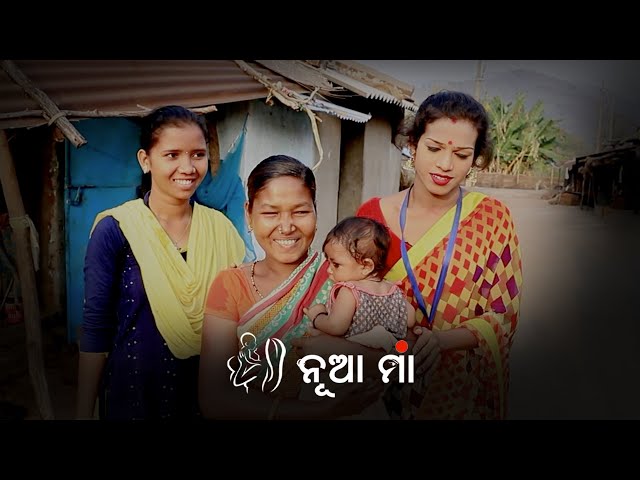
In many tribal communities, the most powerful messages are not delivered through institutions—but through people, stories, and shared experiences. Nua Maa builds on this understanding, using community-led media to drive behaviour change around Infant and Young Child Nutrition (IYCN) and Water, Sanitation, and Hygiene (WASH).
By combining local storytelling traditions with structured health communication, the initiative transforms how critical knowledge is shared, understood, and adopted.
Why This Matters
Across Indigenous and tribal regions, maternal and child health outcomes are often shaped by deeply rooted social and cultural factors. Communities face:
Low maternal literacy and limited access to reliable health information
Deep-rooted beliefs and taboos around pregnancy, nutrition, and childcare
Gender norms that restrict decision-making and access to care
Poor sanitation and unsafe water practices impacting both health and environment
Traditional health communication approaches often fail to create impact due to language barriers, cultural disconnect, and lack of trust.
Nua Maa addresses this gap by making health communication:
Locally rooted in tribal dialects and cultural expressions. Community-owned, increasing trust and participation. Engaging and accessible, using audio-visual and folk-based formats. A unique strength of the initiative lies in training transgender community members as communication leaders, enabling them to challenge stigma while becoming powerful agents of change.
What We Do
Nua Maa focuses on strengthening Social and Behaviour Change Communication (SBCC) around Maternal and Child Health (MCH) through a community-driven media model.
Implemented across two blocks of a tribal-dominated district in southern Odisha, the programme covers villages across 20 Gram Panchayats, with structured evaluation through treatment and control groups.
Key interventions include:
Interventions
Maternal and child health communication
Nutrition and WASH awareness
Community media and participatory communication
Inclusion and empowerment of marginalised identities
Relevant SDGs
Impact Metrics
Based on a third-party evaluation by Solidarity International (commissioned by APPI), Nua Maa has demonstrated meaningful behavioural shifts at the community level:
Importantly, the programme helped bridge the gap between awareness and action, enabling communities to not just understand—but adopt—health-promoting behaviours.
Increased
adoption of recommended maternal and child health practices
Improved
attendance and engagement at Anganwadi Centres
Increase
in institutional deliveries
Reduction
in child malnutrition, with more children moving from high-risk to healthy categories
Strengthened
linkages between communities, frontline workers, and service providers
Voices from the Community
The project combined research, community engagement, and capacity building to uncover patterns in food security and livelihoods.
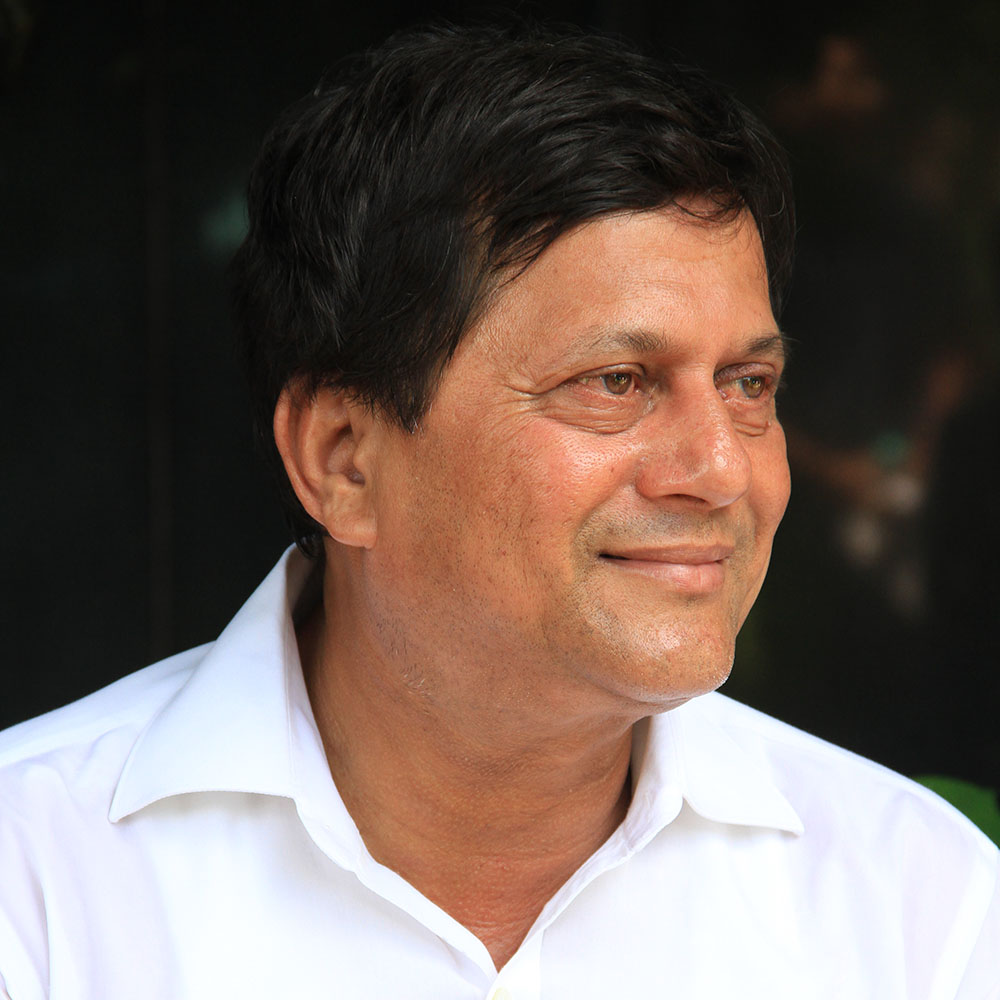
— Namita Kaibarta, ASHA worker, Bandhuguda
The overall understanding of the community about pregnancy and childbirth has improved. People are far more aware now, and institutional deliveries have increased
— Jyoti Jilakara, community member, K. Maligaon
I was afraid to register my pregnancy and take IFA tablets earlier. The Nua Maa team guided me and helped me understand why it was important.
— Namita Kaibarta, ASHA worker, Bandhuguda
The overall understanding of the community about pregnancy and childbirth has improved. People are far more aware now, and institutional deliveries have increased
— Jyoti Jilakara, community member, K. Maligaon
I was afraid to register my pregnancy and take IFA tablets earlier. The Nua Maa team guided me and helped me understand why it was important.
Partners
Azim Premji Philanthropic Initiatives (APPI)
Kalinga Institute of Social Sciences (KISS)