A Living Tapestry of
64+ Tribes
One Shared Home
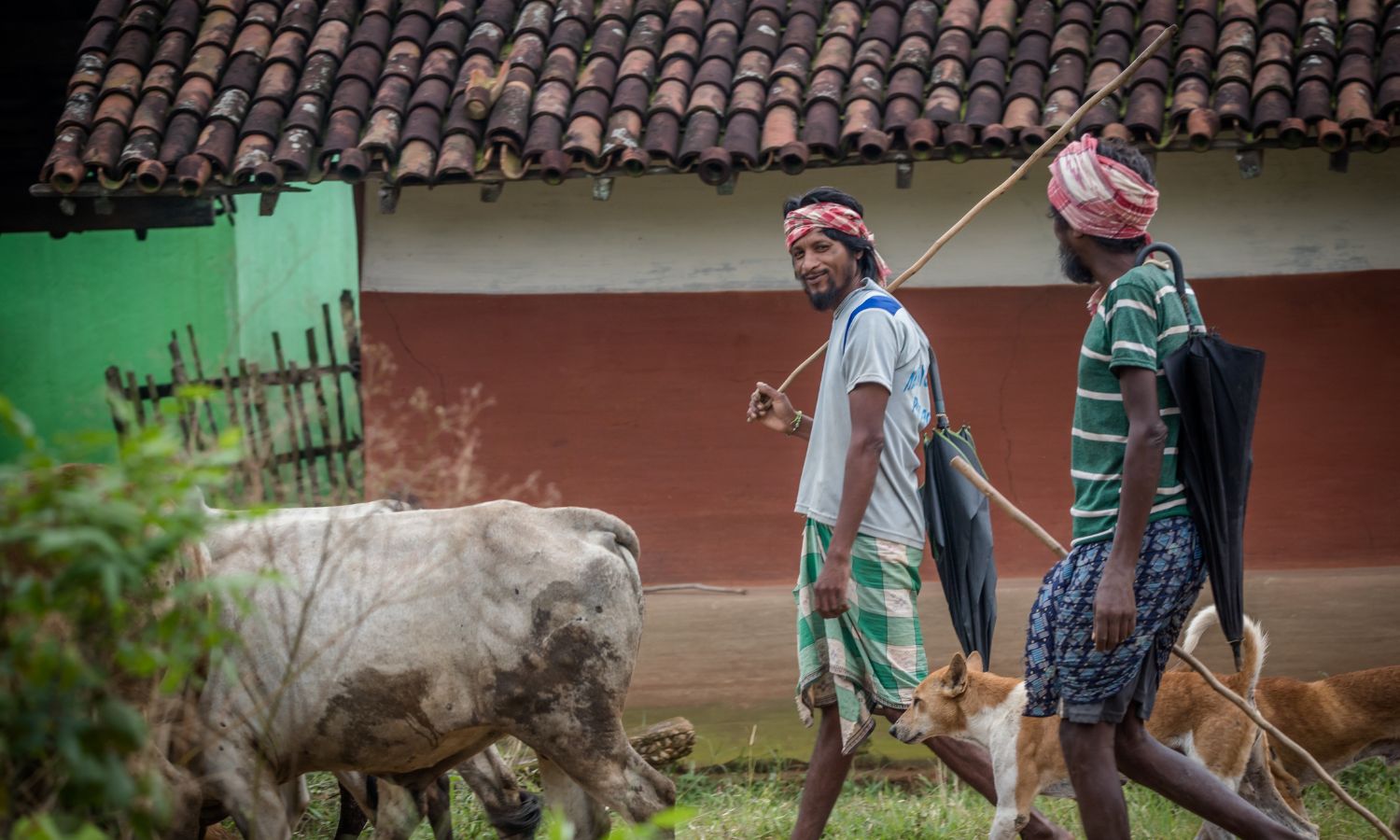
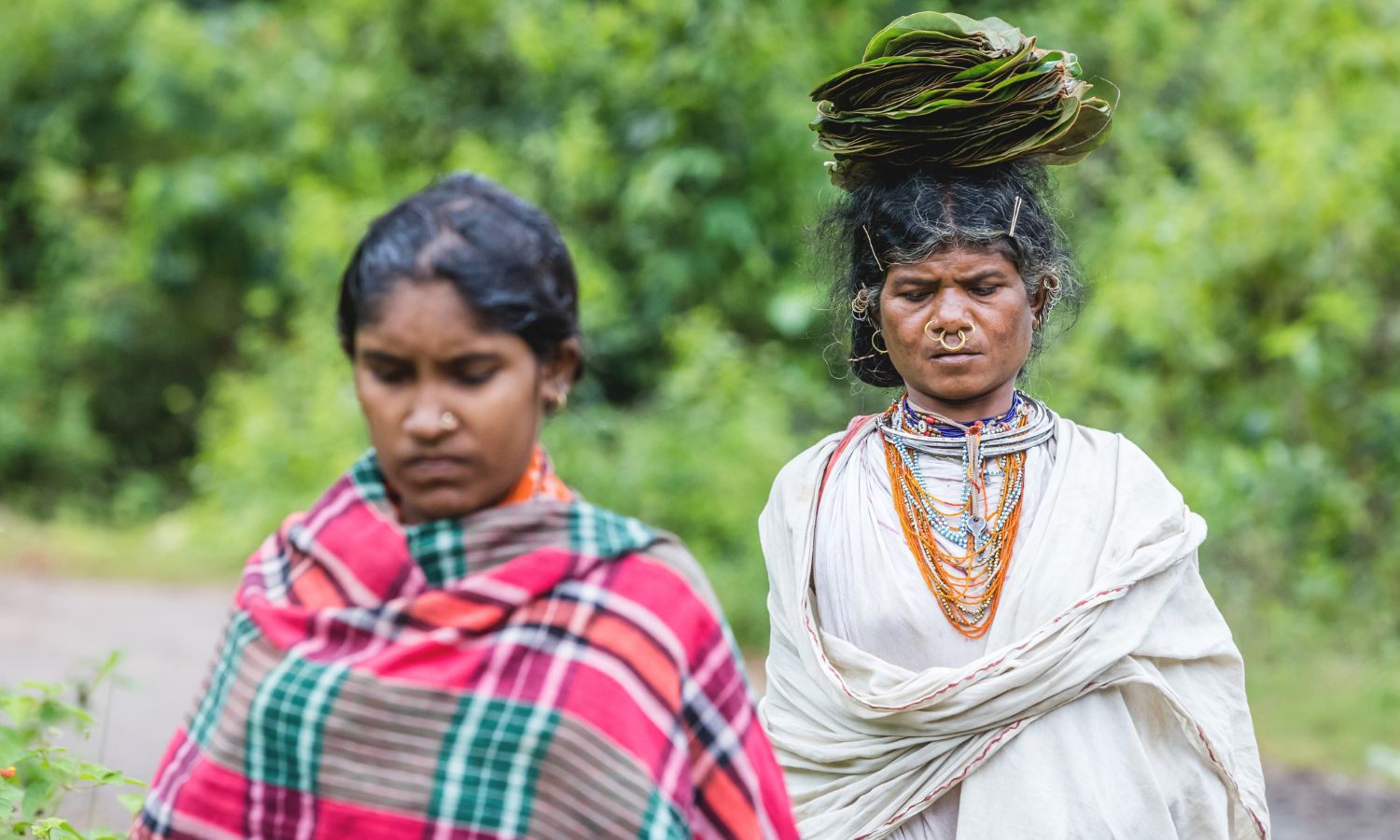
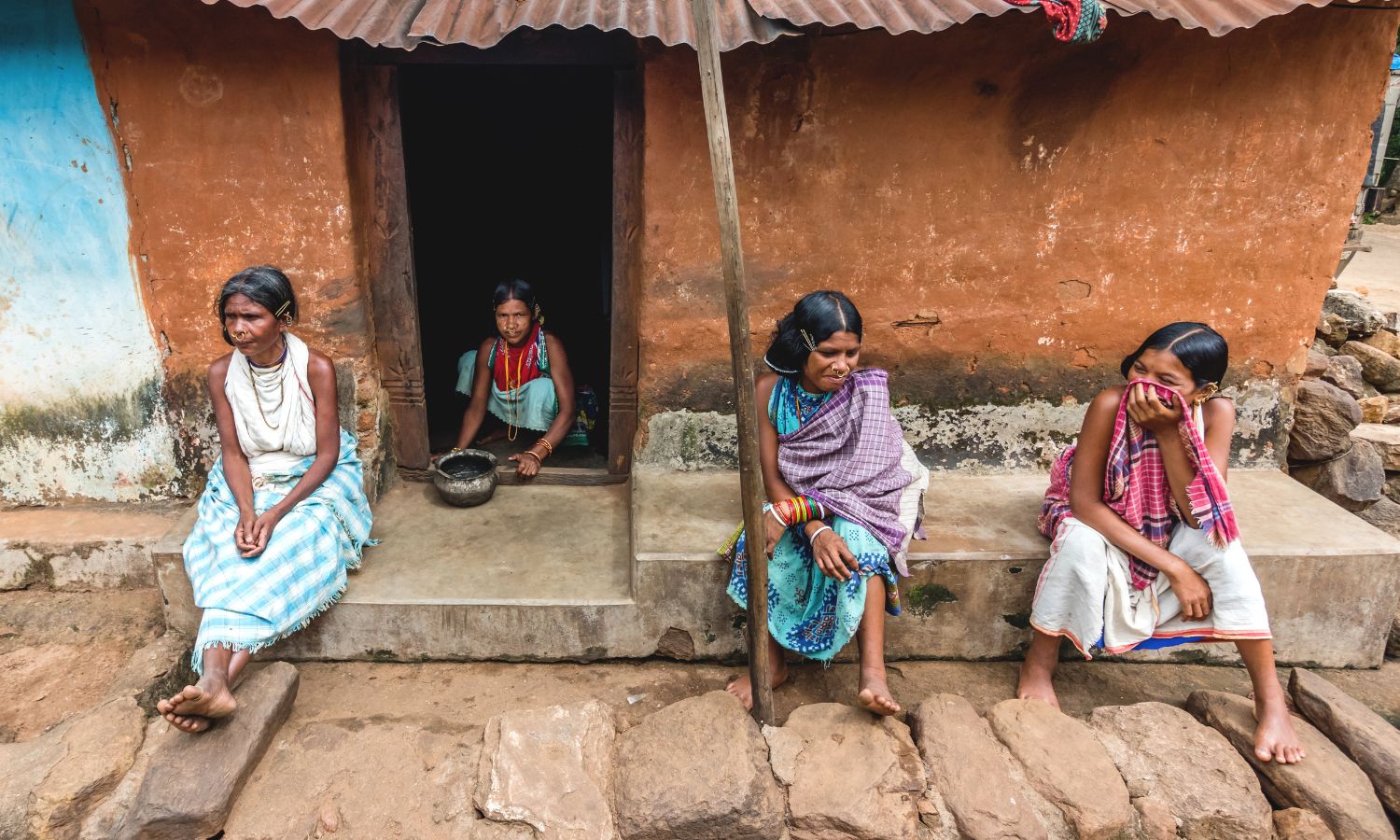
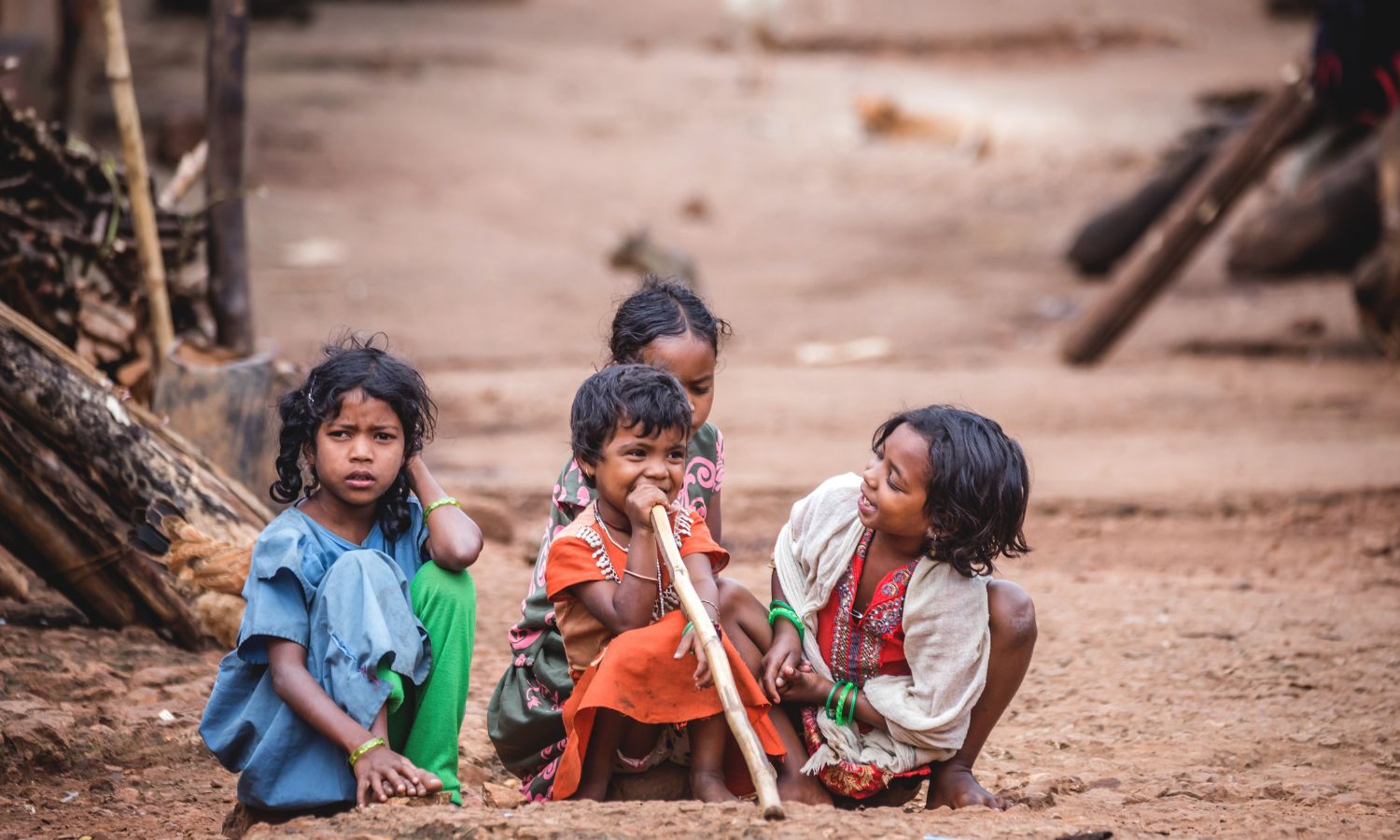
At KISS, the knowledge of 64 Indigenous communities from Odisha and neighbouring states thrives every day — in classrooms, songs, languages and lived traditions. This section celebrates that living heritage: not as a museum of the past, but as a movement for the future.
Our 64 Tribes — The Heart of
KISS
Each tribe brings its own language, dance, food, and worldview — together shaping one of the world’s most vibrant Indigenous campuses.
Bagata
The Bagatas are a numerically small tribal community who trace the origin of their name to the word Bhakta (devoted warriors) of former rulers. Over time, with occupational diversification, they came to identify themselves as part of the Telugu freshwater fishing communities. This has fostered close socio-cultural interaction with Odia fisherfolk.
They are divided into two sects: Vaishnavites, who cremate their dead, and Saivites, who follow burial practices. The community is organized into several exogamous clans (bansa) such as Hatiyar (elephant), Belhar (monkey), Samudia, Bamia, Tiruar (bird), Sarnia (flute), Chuniar, and Kuardar. Clan names are commonly used as surnames.
Nuclear families are the norm, and marriage by negotiation is considered ideal, though cross-cousin marriages, elopement, junior levirate, sororate, sororal polygyny, widow remarriage, and divorce are also accepted. While the institution of bride price (oli) was once prevalent, it is gradually giving way to dowry due to cultural contact with neighboring Hindu castes.
Community life is highly valued, with strict adherence to established norms to maintain harmony. Leisure time is enriched by traditional dance and songs, performed during festivals and marriages. Both men and women participate in Karma folk dance and songs. Despite their small numbers, the Bagatas have preserved a distinct cultural identity.
Baiga
The Baiga, also known as Bhumiraja and Bhumijana — meaning "lords of the soil" or "sons of the soil" — are a tribal community with uniclan, homogeneous settlements. Families are typically nuclear, patrilocal, and patrilineal, with inheritance following the rule of male equigeniture.
The community is divided into ten endogamous groups and two territorial sub-groups, Garh and Goti, which are further subdivided into various totemistic exogamous septs. Traditionally monogamous, the Baiga prefer cross-cousin marriages, though marriage by service and elopement are also practiced. Remarriage of widows and widowers, as well as junior levirate and sororate unions, are socially accepted.
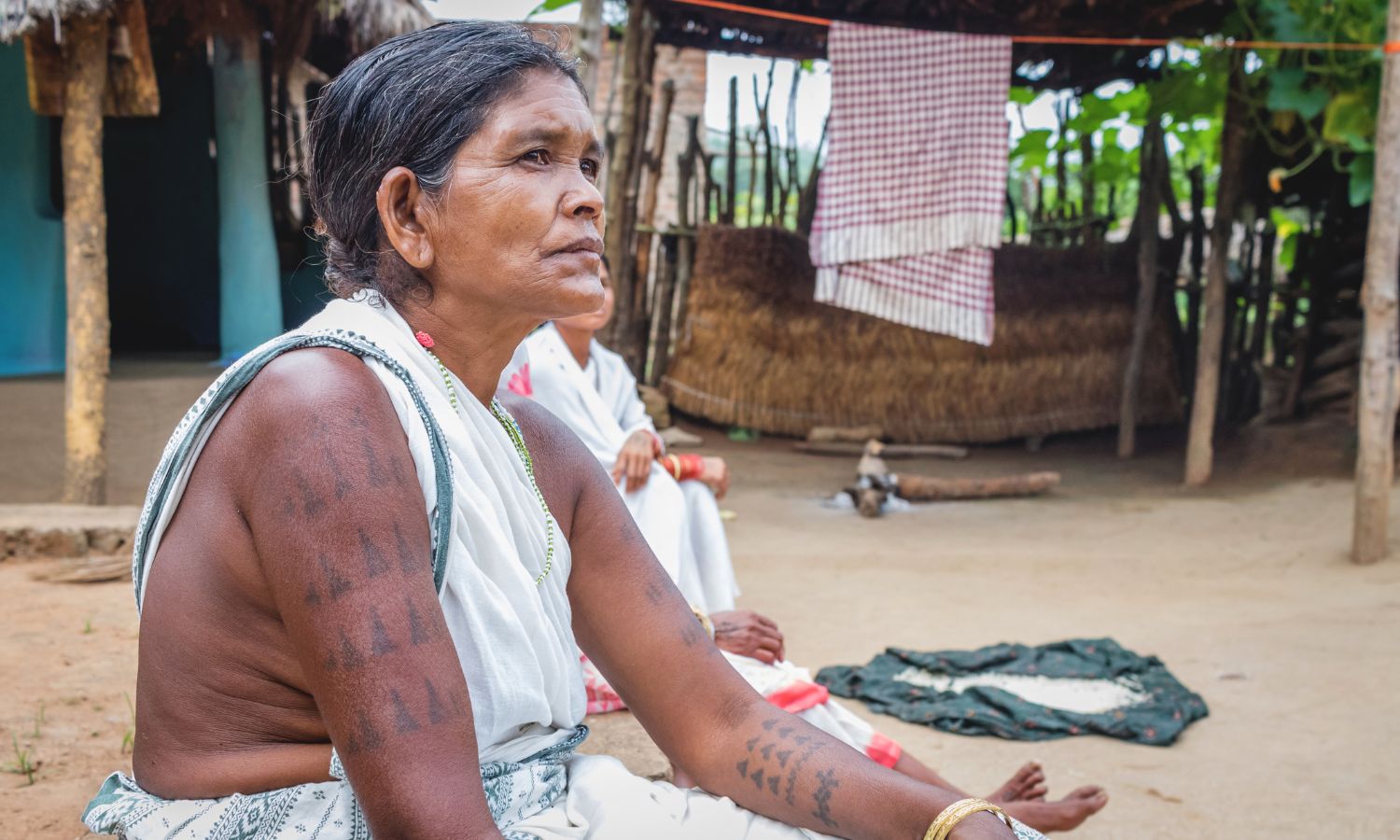
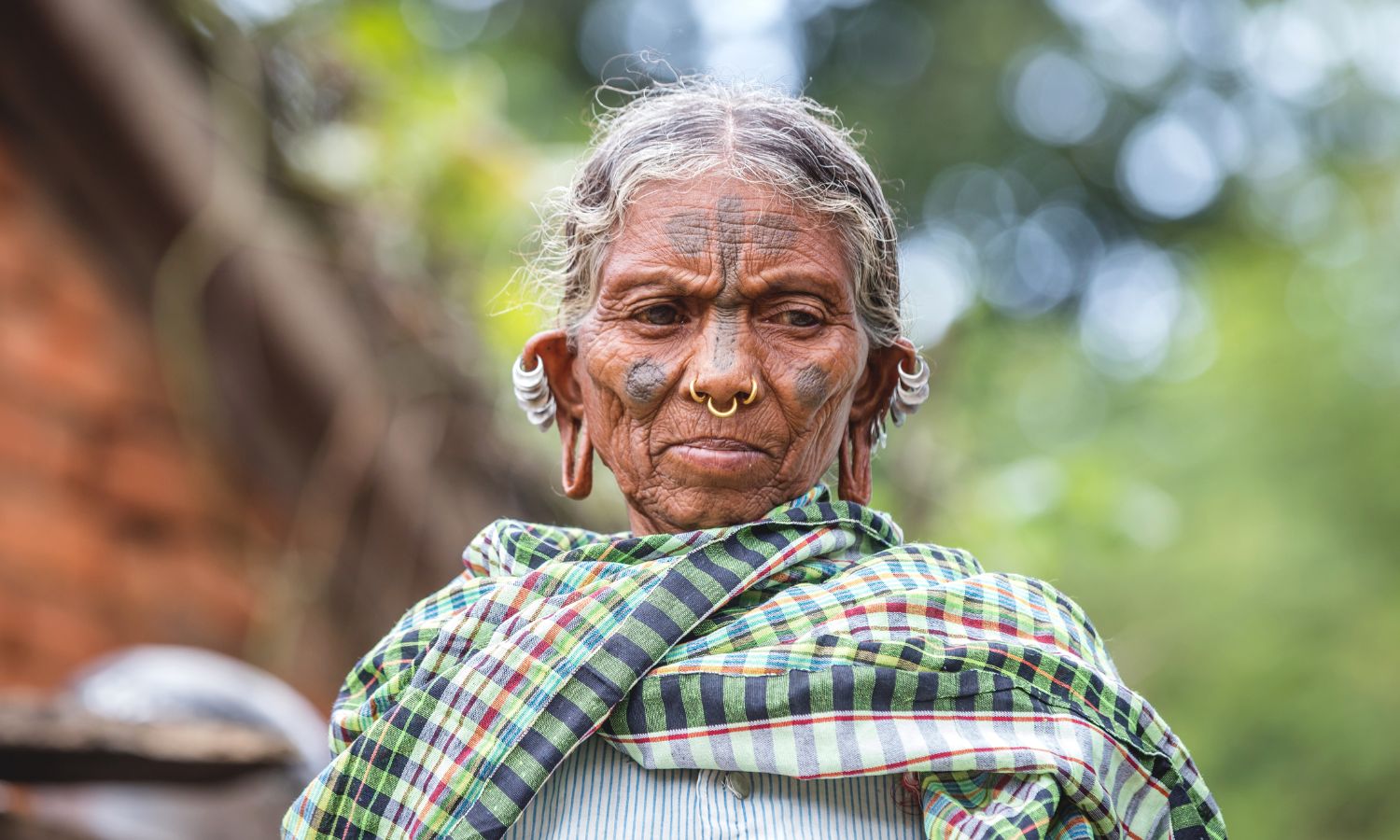
The dead are buried, and social life is governed by a traditional community panchayat headed by a Patel or Gountia. Baiga women are especially noted for their decorative and picturesque tattoo marks, which remain a distinctive cultural identity marker.
Banjara
The Banjaras, also known as Banjaris, Vanjari, Laban, Labana, Labhana, Mukeai, Bepari, Boipari, and Brinjari, are traditionally a nomadic tribe of carriers and pack-bullock drivers in Odisha.
Bathudi
The Bathudi are one of the highly Hinduised tribes of Odisha.
Bhottada
The Bhottada are said to have migrated from Bastar.
Bhuiya
The name Bhuyan is believed to derive from the Sanskrit word Bhumi, meaning land or earth.
Bhumia
The name Bhumia is associated with bhumi, meaning land.
Bhumij
The term Bhumij means "one who is born from the soil."
Bhunjia
The Bhunjias are divided into two main sections: Chuktia and Chinda Bhunjia.
Binjhal
The name 'Binjhal' is derived from Bin + Jhal, meaning "without sweat."
Binjhia
The Binjhias trace their origins to Kolanagari in the Vindhya Valley.
Birhor
The term Birhor means "forest (Bir) people (Hor)." They are a primitive and nomadic tribe.
Bondo Poraja
The Bondo Poraja, also called Bonda, are a primitive tribe in Odisha.
Chenchu
The Chenchu are a small, nomadic forest-dwelling tribe of Odisha.
Dal
The Dal are a minor tribe of Odisha with a unique connection to Hindu priesthood.
Desia Bhumij
The Desia Bhumij are an acculturated section of the Bhumij tribe.
Dharua
The Dharua, also known as Dharua Gonds, are a little-known tribe of Odisha.
Didayi
The Didayi are a small hill-dwelling tribe of southern Odisha.
Gadaba
The Gadaba are a vibrant tribe from Koraput.
Gandia
The Gandia are a Gondid community of shifting cultivators and pastoralists.
Ghara
The Ghara are a section of the Gond tribe.
Gond
The Gond are the largest tribal community in India and the second-largest in Odisha after the Kondhs.
Ho
The Ho are a Kolarian tribe, related to the Munda, Kol, and Kol-Lohara groups.
Holva
The name Holva comes from holo meaning plough, reflecting their agrarian identity.
Jatapu
The Jatapu are regarded as a civilized section of the Kondhs.
Juang
The Juang, one of the Primitive Tribal Groups (PTGs) of Odisha, call themselves the "Sons of Man."
Kandha Gauda
Also known as Tanla Gauda, the Kandha Gauda derive their name from their traditional occupation of herding cattle for the Kandha tribe.
Kawar
The Kawar are a little-known community who migrated from their original homeland in Chainpur, Ranchi District.
Kharia
The term Kharia/Kharian comes from kharkharia, meaning palanquin bearer.
Kharwar
According to legend, the Kharwar trace their origin to Khari Jhar, from where they migrated to Palamau, thus acquiring the name Kharwar. In Odisha, they are also known as Lulukidihi.
The community is divided into six endogamous sub-groups: Suryabansi, Daulatbandi, Parbandi, Kheri/Chero, Bhogati/Ganju, and Manjhia. These are further subdivided into totemistic exogamous clans (Kili), such as Nag, Aiyen, Karketta, Kachchap, and Parasai.
Family is usually nuclear, patrilocal, and patrilineal, with primogeniture as the rule of succession. Monogamy is the general norm, and marriage by negotiation is considered ideal. Other forms of acquiring spouses include exchange, courtship, and intrusion. Junior levirate, sororate, and remarriage of widows, widowers, and divorcees are permitted. The payment of bride price (Dali-paisa) is customary.
They observe birth pollution for six days. For the dead, both cremation and burial are practised, with death pollution lasting ten days.
The Kharwar maintain their own traditional community councils: at the village level, Baithaki, and at the regional level, Chata. Their traditional priest, the Baiga, officiates during major festivals such as Sarhul and Karma.
Khond
The Kandha, also known as Khond, are the largest tribe of Odisha, concentrated in southern districts. They are divided into many endogamous territorial sections such as Kutia, Dongria, Desia, Sitha, Nanguli, Jhamia, Pengo, Jharia, Malua, each further split into exogamous clan groups called Kuda or Bons.
Their society is organized into four functional groups known as punja—Mondal, Bismajhi, Jani, and Pujari. Kandha villages usually follow a linear settlement pattern, with Jarkhiri, the altar of their Earth Goddess Dharni Penu, at the centre of the main street.
A distinctive feature of Kandha culture is the youth dormitory, called Dhangda-Dhangdi Basa or Dhanger.
The Kandha are polytheists. Their supreme deity is Dharni Penu (Earth Goddess), and other major deities include Jatrakudi, Gungi Penu, Bhima Penu, Lai Penu, Sita Penu, and Birna Penu. Village affairs are managed by traditional leaders like the Saanta, Mondal, Jani, Bismajhi, and Barik.
Kisan
The word Kisan comes from the Hindi term for peasant or farmer. The community, considered an offshoot of the Oraon tribe, migrated from the Nagpur region. They are also known by names like Kuda, Kora, Mirdha, Kola, Morva, and Birhor.
Kisan settlements are usually uniclan and homogeneous. The community is endogamous, but divided into exogamous totemic septs. Negotiated marriages are considered ideal and prestigious, with bride price customary.
The Kisan follow Hinduism, worshipping both Hindu deities and traditional tutelary gods such as Gosain, Bhim Devta, Budha Band, Baghia, and Samlei. Community affairs are governed by their traditional council, the Jati Samaj, headed by a Sardar or Kotwar.
Kol
The name Kol comes from the Munda word Ko, meaning "they are their own." They are early settlers of the Kolhan region in Singbhum district of Bihar and are also known as Kolha, Ho, Munda, Mundari, and Larka Kol.
The tribe is divided into several exogamous clans (kur). Marriage through negotiation (Andi) is prestigious, with bride price (Gonam) paid in cash or kind. The Kols worship tribal deities such as Sing Bonga, Nagea Bonga, Marang Bonga, Basgea Bonga, Borum Bonga, and Sendra Bonga. The Kol are fond of dance and music, using traditional instruments like Madal, Dholak, Tomka, and Mazina.
Kolah Lohara
The Kolah Lohara belong to the ancient Kolarian tribal stock. They are primarily settled in northwestern Odisha and are traditionally blacksmiths, working with iron and other metals.
The term 'Lohara' is derived from 'loha', meaning iron. They identify themselves as Munda-Lohara, which is considered more prestigious. The community is divided into several exogamous and totemic clans called killi. They bury their dead and observe death pollution for ten days.
The community also pays homage to the Kichakeswari temple at Khiching in Mayurbhanj district.
Kolha
The name Kolha is derived from the Munda word Kop, meaning "they are their own." They are early settlers of the Kolhan region in Singbhum district of Bihar.
The tribe is divided into several exogamous clans (kur). Marriage through negotiation (Andi) is prestigious, with bride price (Gonam) paid in cash or kind. The Kolha worship tribal deities such as Sing Bonga, Nagea Bonga, Marang Bonga, Basgea Bonga, Borum Bonga, and Sendra Bonga. The Kolha are fond of dance and music, using traditional instruments like Madal, Dholak, Tomka, and Mazina.
Koli Malhar
The Koli and Malhar, though notified together as Scheduled Tribes in Odisha, are ethnically distinct. The Malhar are a nomadic tribe whose main occupation is the collection of honey and other forest products, while the Koli are a community of weavers.
Koli settlements are generally uniclan and homogeneous. The most important village deity is Thakurani, worshipped on Makara Sankranti.
The Malhar are semi-nomadic, subsisting on the collection of forest products. Named after their deity Malharideo, they are also called Panbhari, meaning "water carrier." Their traditional priest, Dehury, officiates socio-religious rites.
Konda Dora
The Konda Dora is a small Dravidian-speaking tribe of southern Odisha. Their name means "Lords of the Hills."
Korua
The Korua, also called Korwa, are a small Kolarian tribe of Odisha.
Kora
The Kora, also called Kuda or Kura, are traditionally known for their skills in earth digging.
Kotia
The Kotia, also known as Kotia Paika, are a small hill tribe.
Koya
The Koya are the principal tribe of Malkangiri.
Kulis
The Kulis are a small community in Odisha, traditionally associated with weaving.
Lodha
The Lodha were historically classified as a criminal tribe until the revocation of the Criminal Tribes Act in 1956.
Madia
The Madia are considered a section of the Koya tribe.
Mahali
The Mahalis are traditionally known for their bamboo work.
Mankidi
The term Mankidi is the local name for the Birhor tribe. They are a primitive, nomadic tribe.
Mankirdia
The term Mankirdia is the local name for the Birhor tribe. They are a primitive, nomadic tribe.
Matya
The Matya are a small tribal community living in multi-ethnic villages.
Mirdhas
The Mirdhas are a section of the Kisan tribe.
Munda
The Munda are a major tribe of Odisha.
Mundari
The Mundari are a part of the larger Munda tribe.
Omanatya
The Omanatya, also known as Amanatha, trace their ancestry to an Amatya or minister.
Oraon
The Oraon is an agrarian tribe of Odisha.
Parenga
Parenga is believed to be a sub-tribe of Gadaba of the Munda Group.
Paroja
The name Paroja is derived from the local Odia word Praja or Paraja meaning the common people.
Pentia
The Pentia is otherwise called Penthia and Pentiya Holva.
Rajuar
The Rajuar has synonyms like Rajbansi, Rajwar and Rajualas.
Santal
The Santal is the third largest tribe in India after the Gond and the Bhil.
Saora
Saora are an ancient folk who have been mentioned in old mythologies and Sanskrit literatures.
Shabar Lodha
The Shabar Lodha was notified as a criminal tribe until the revocation of the Criminal Tribes Act in 1956.
Sounti
Sounti in Odisha is a local term which means "gathering things".
Tharua
The Tharua is an artisan community called by other names like Tharua-Bindhani, Tharua-Kumbhar.
Muka Dora
Konda Reddy
Particularly Vulnerable Tribal Groups (PVTGs)
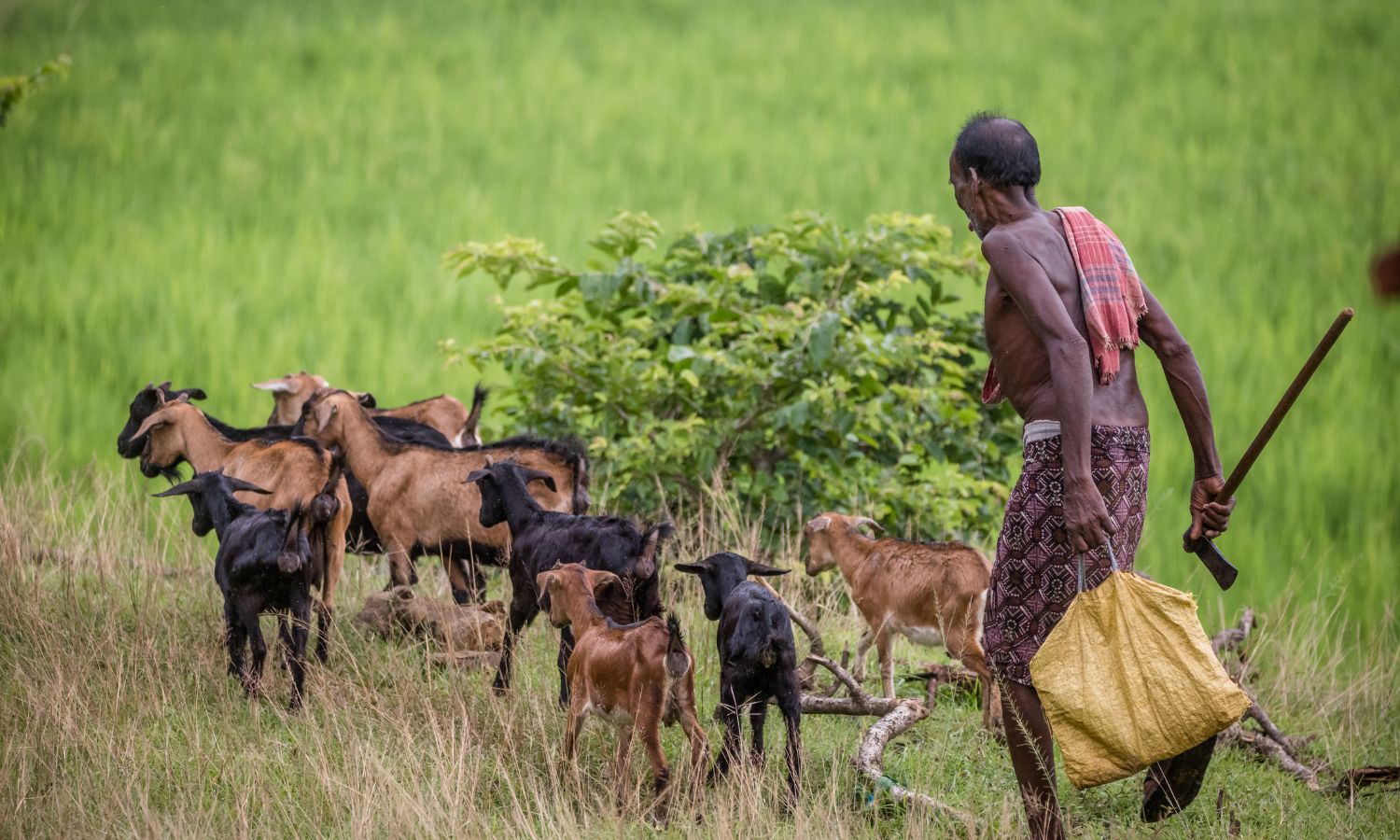
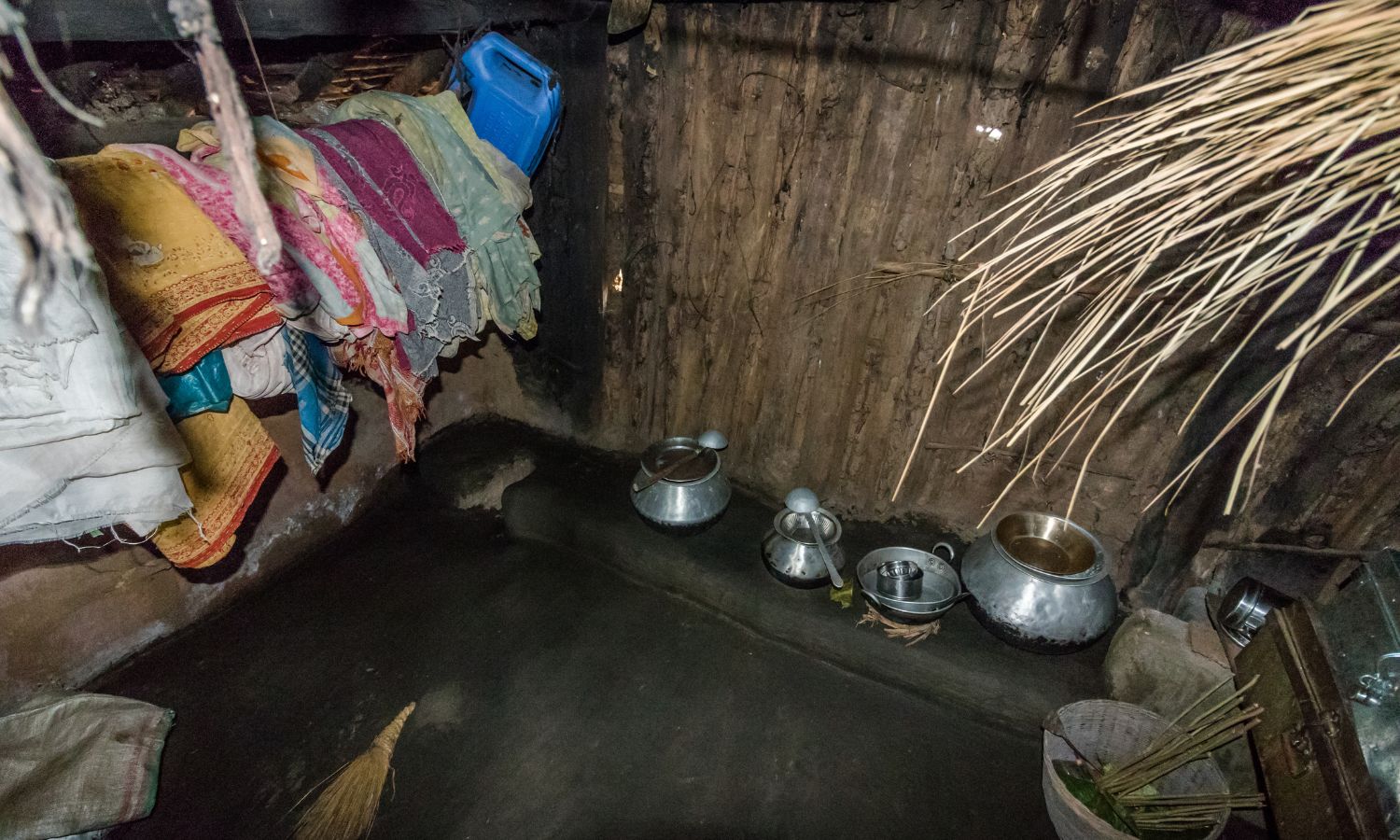
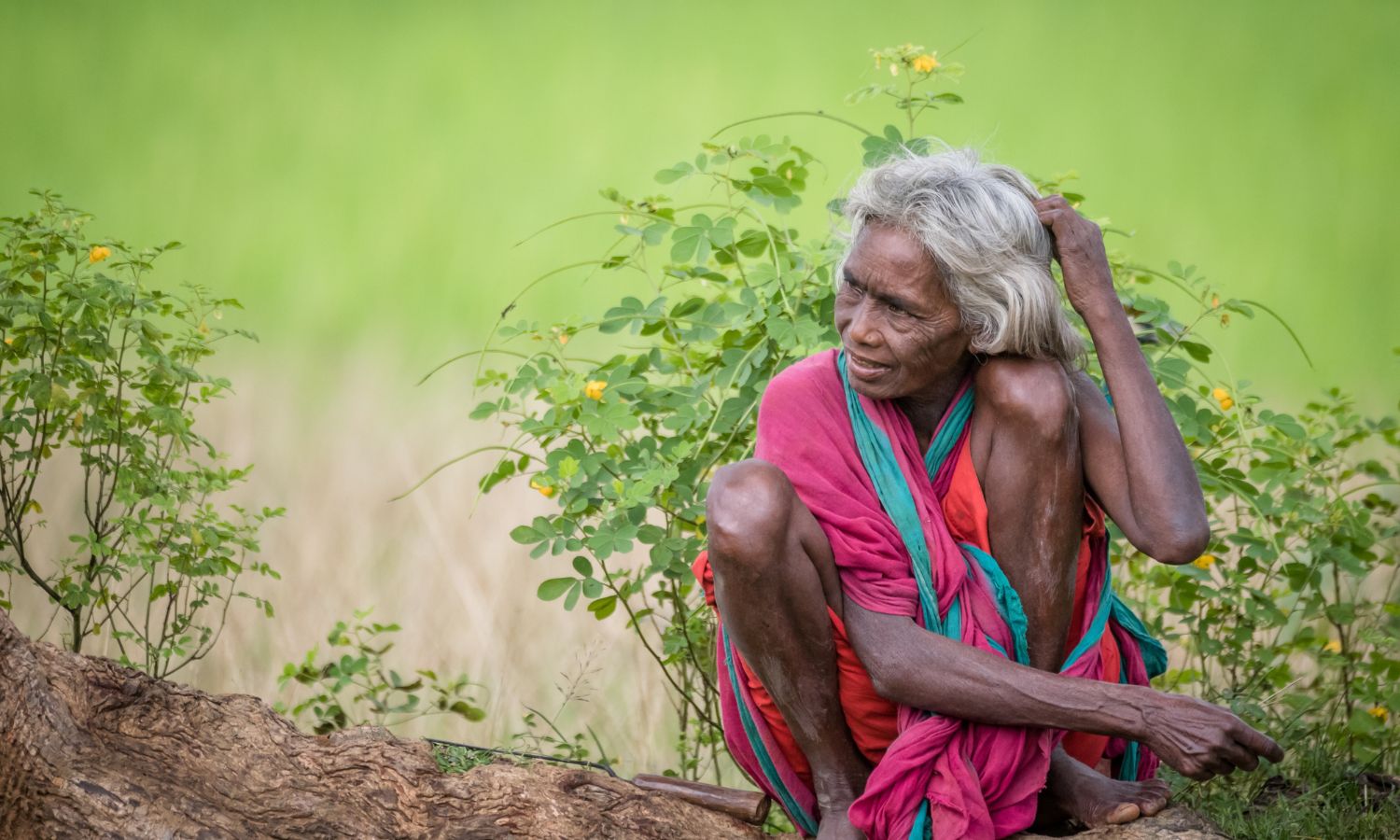
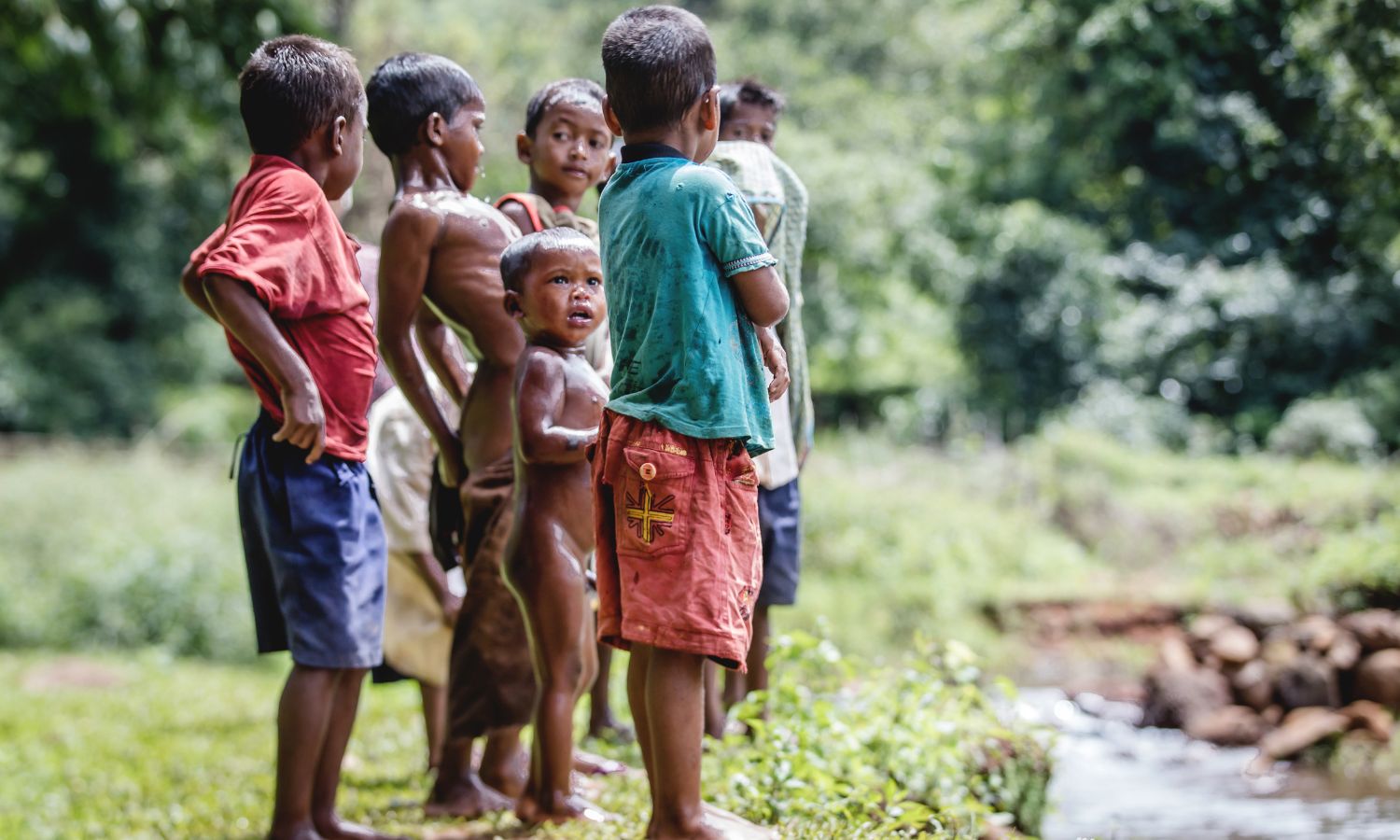
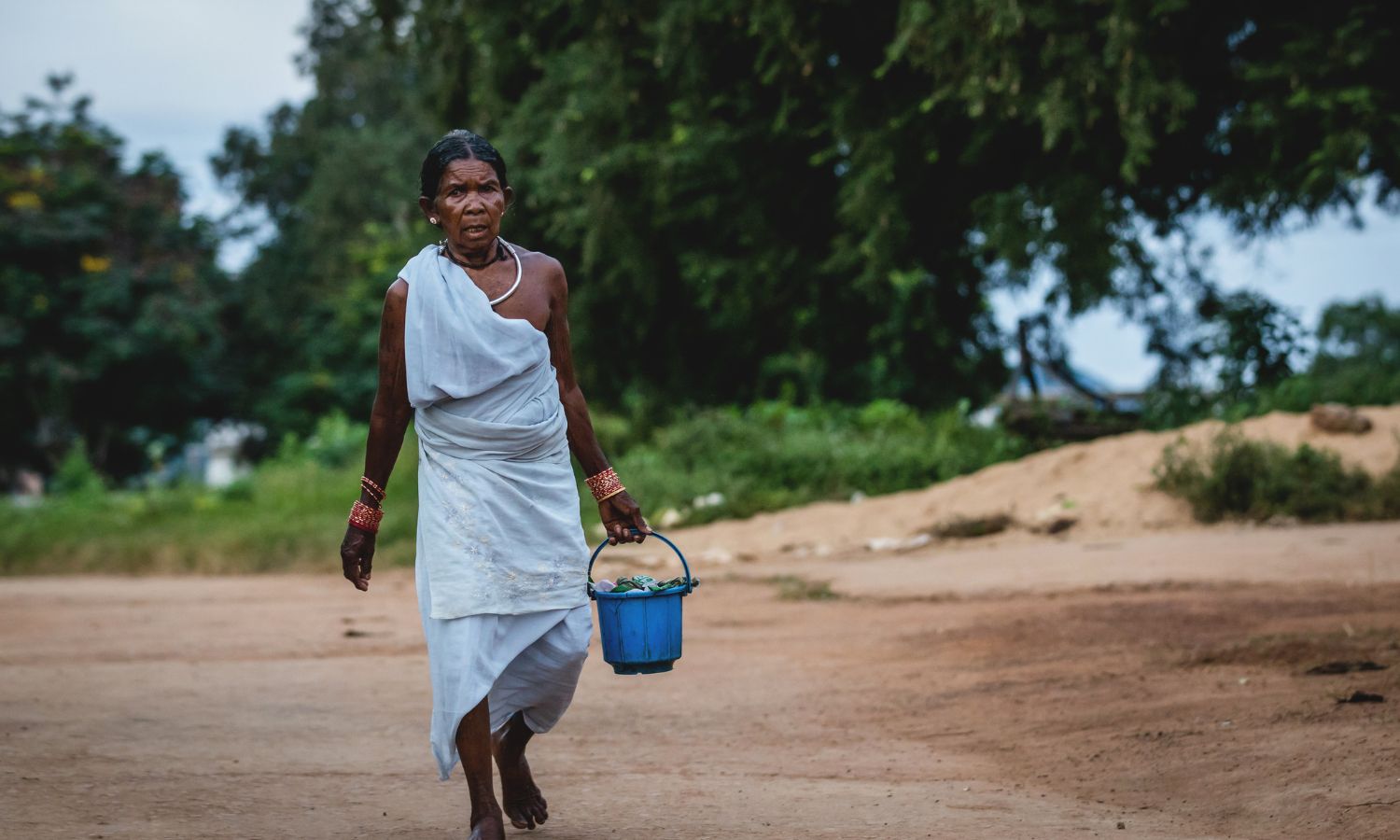
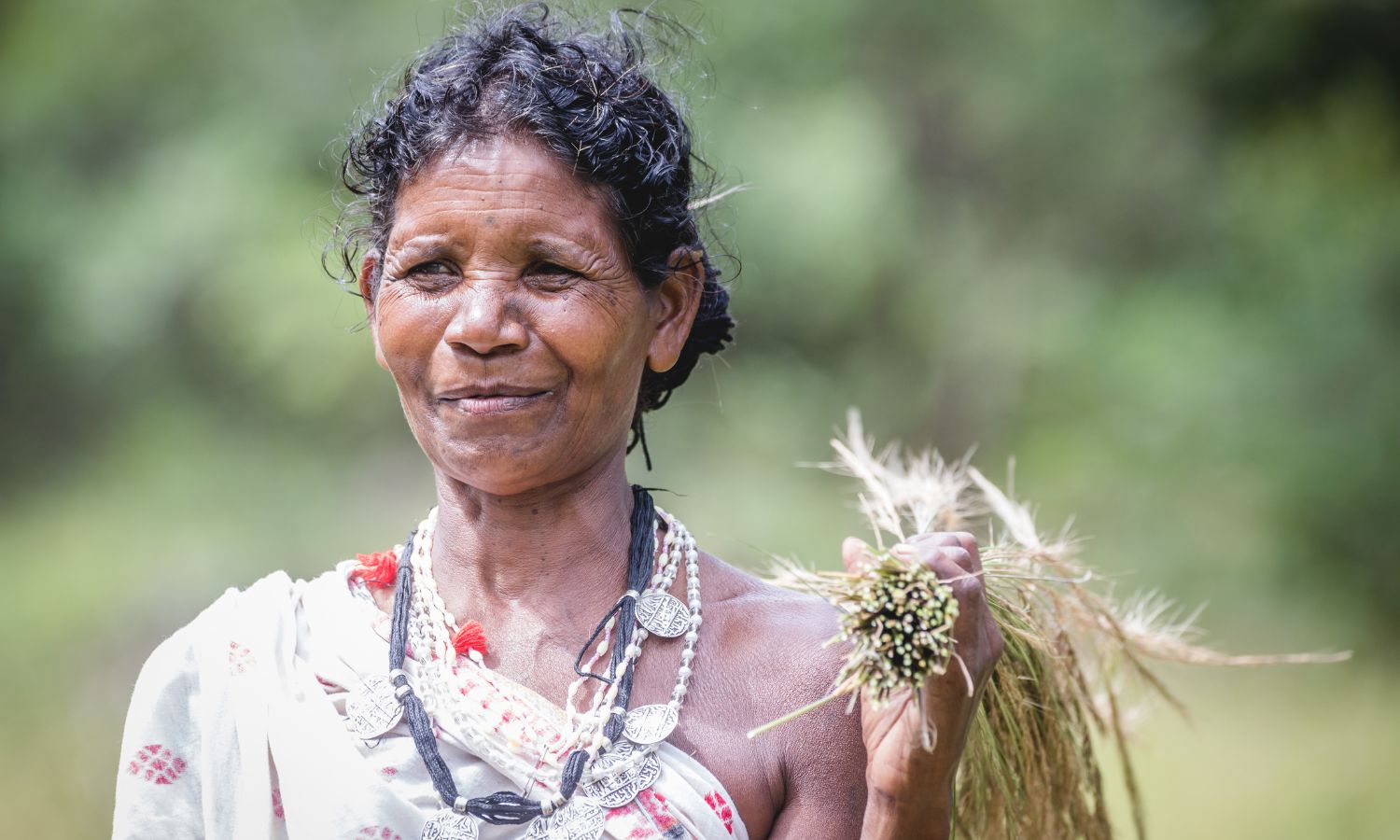
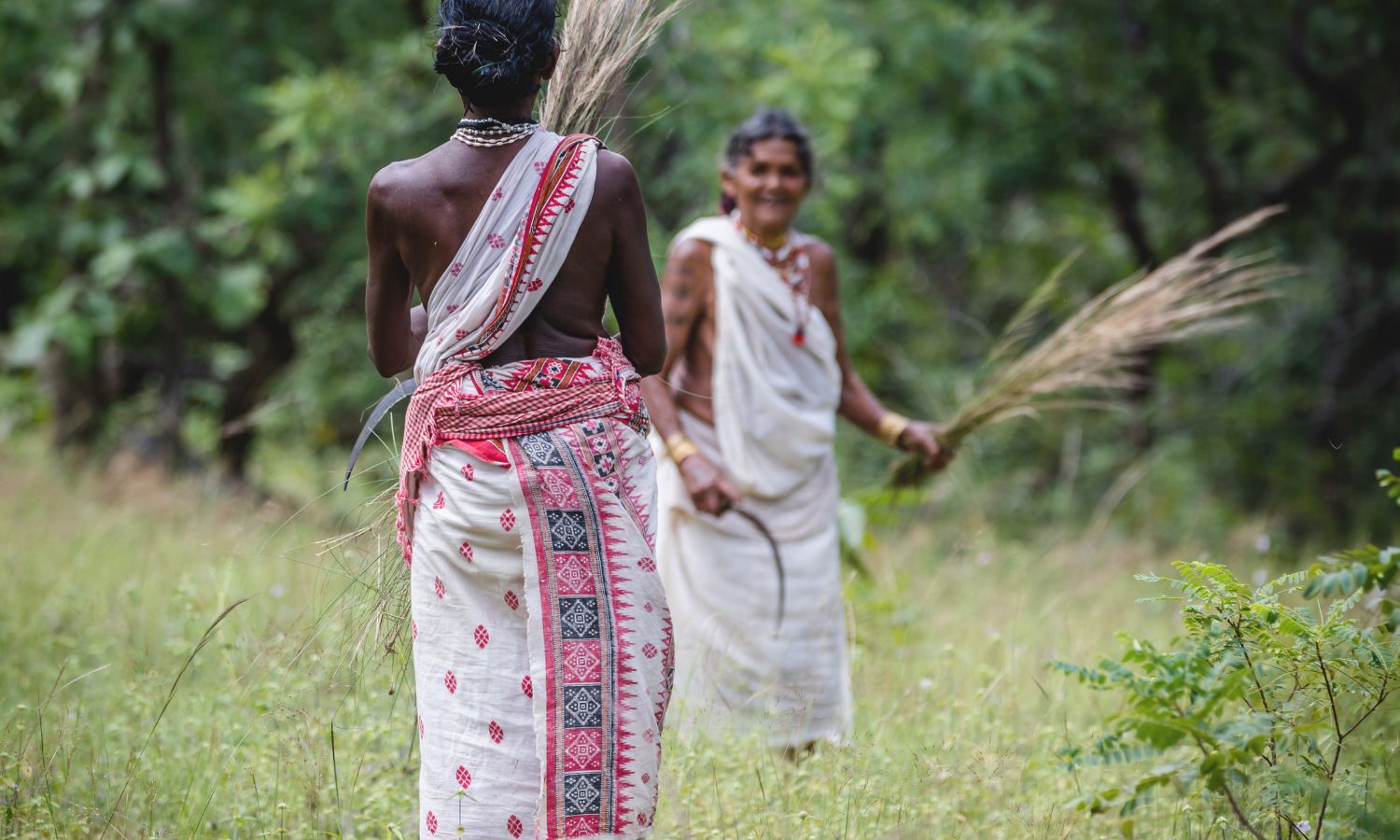
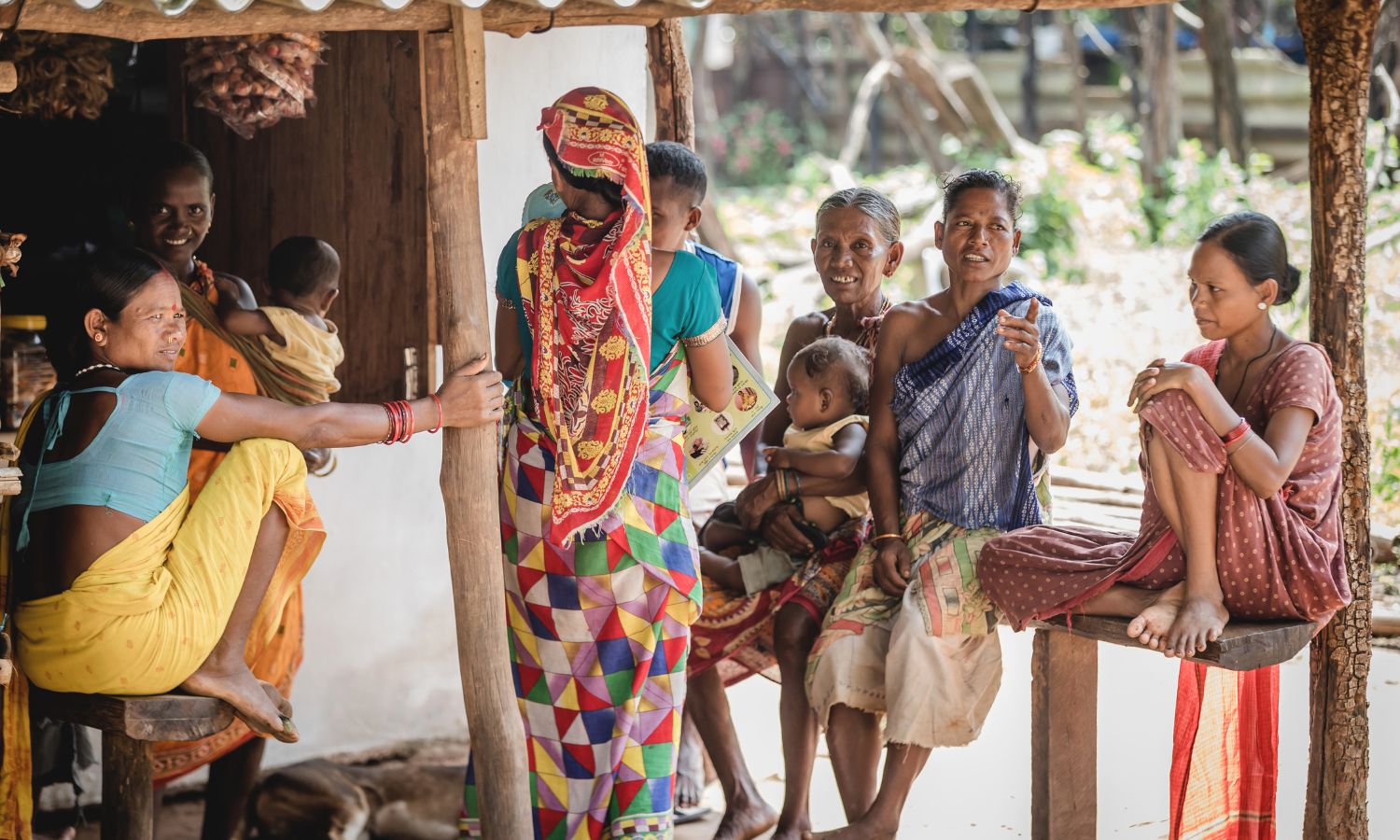
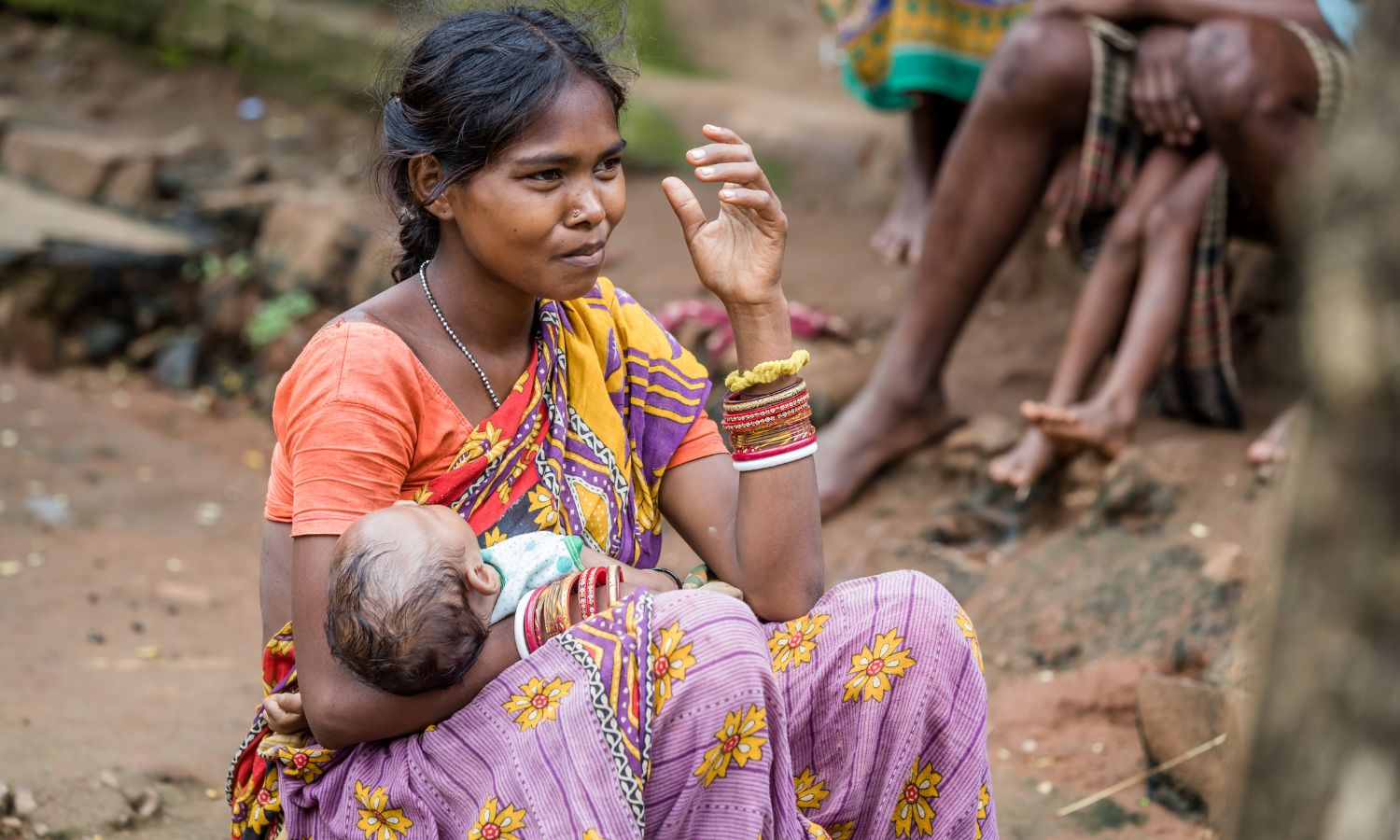
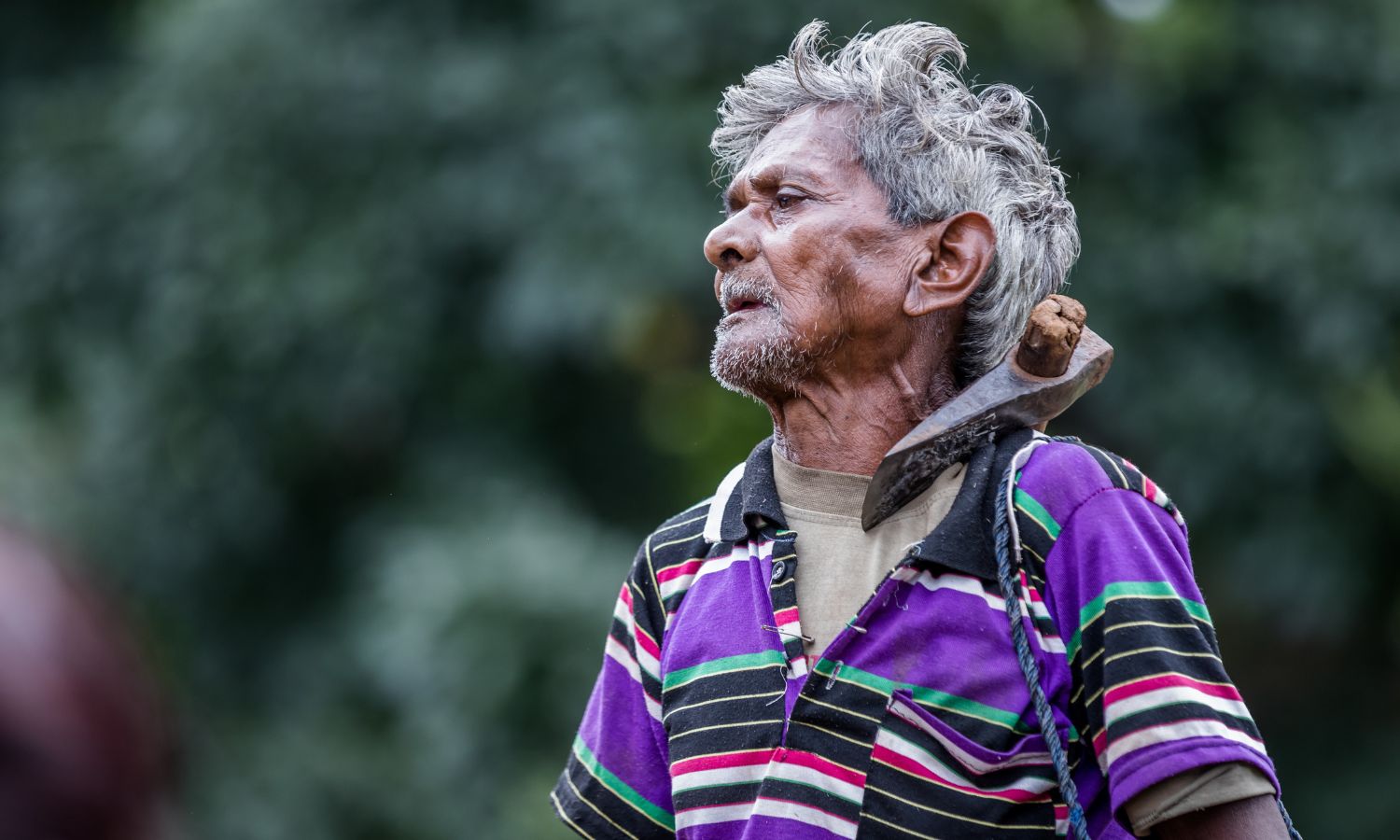
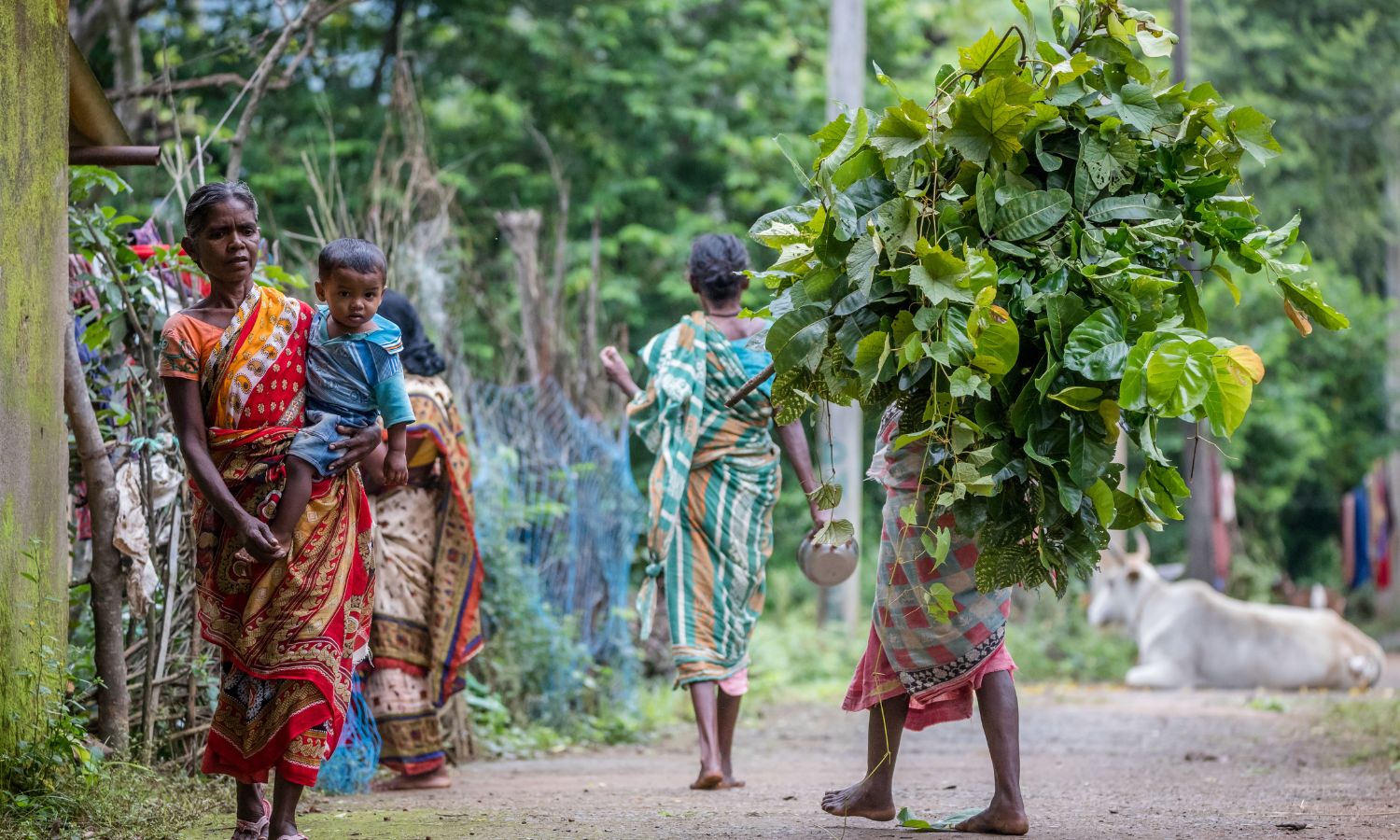
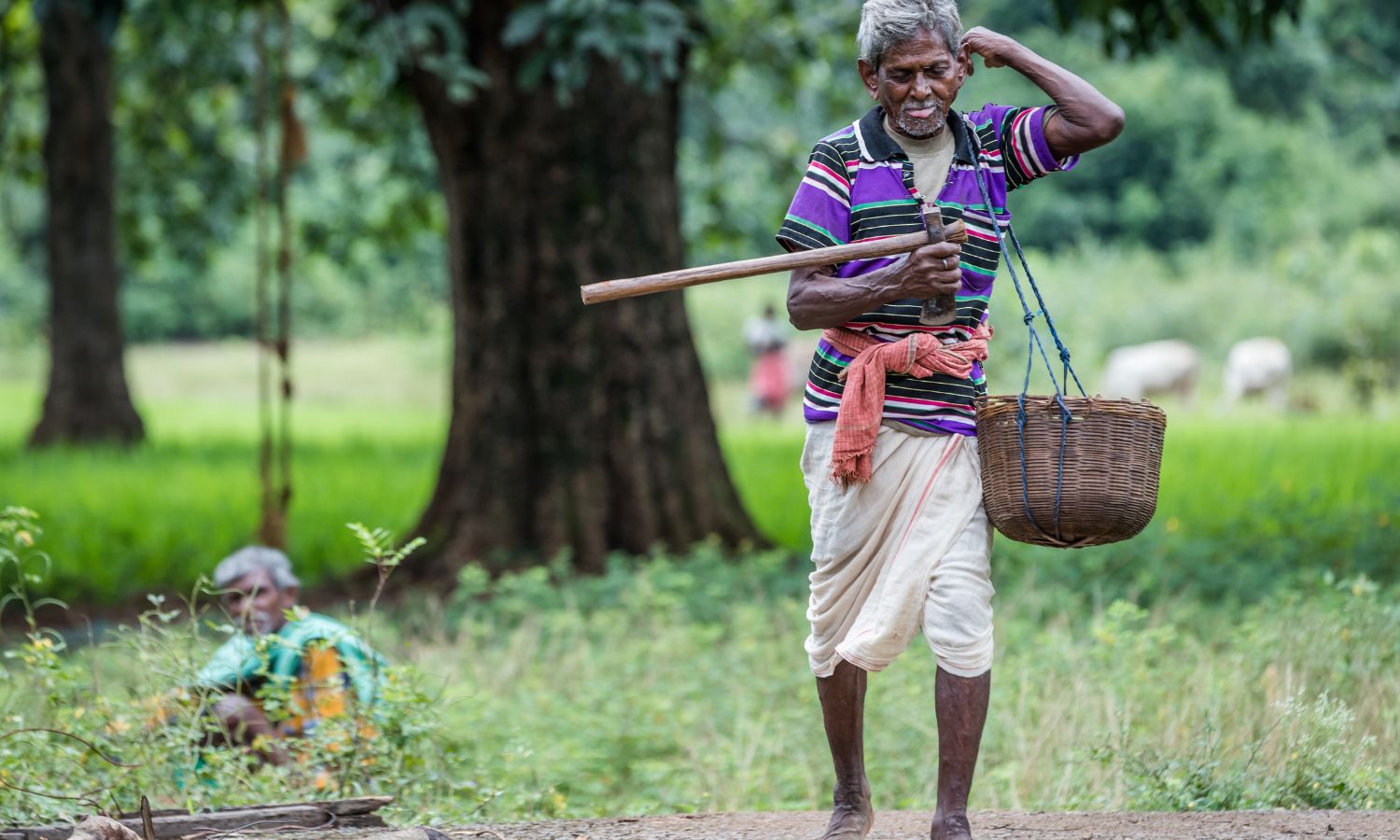
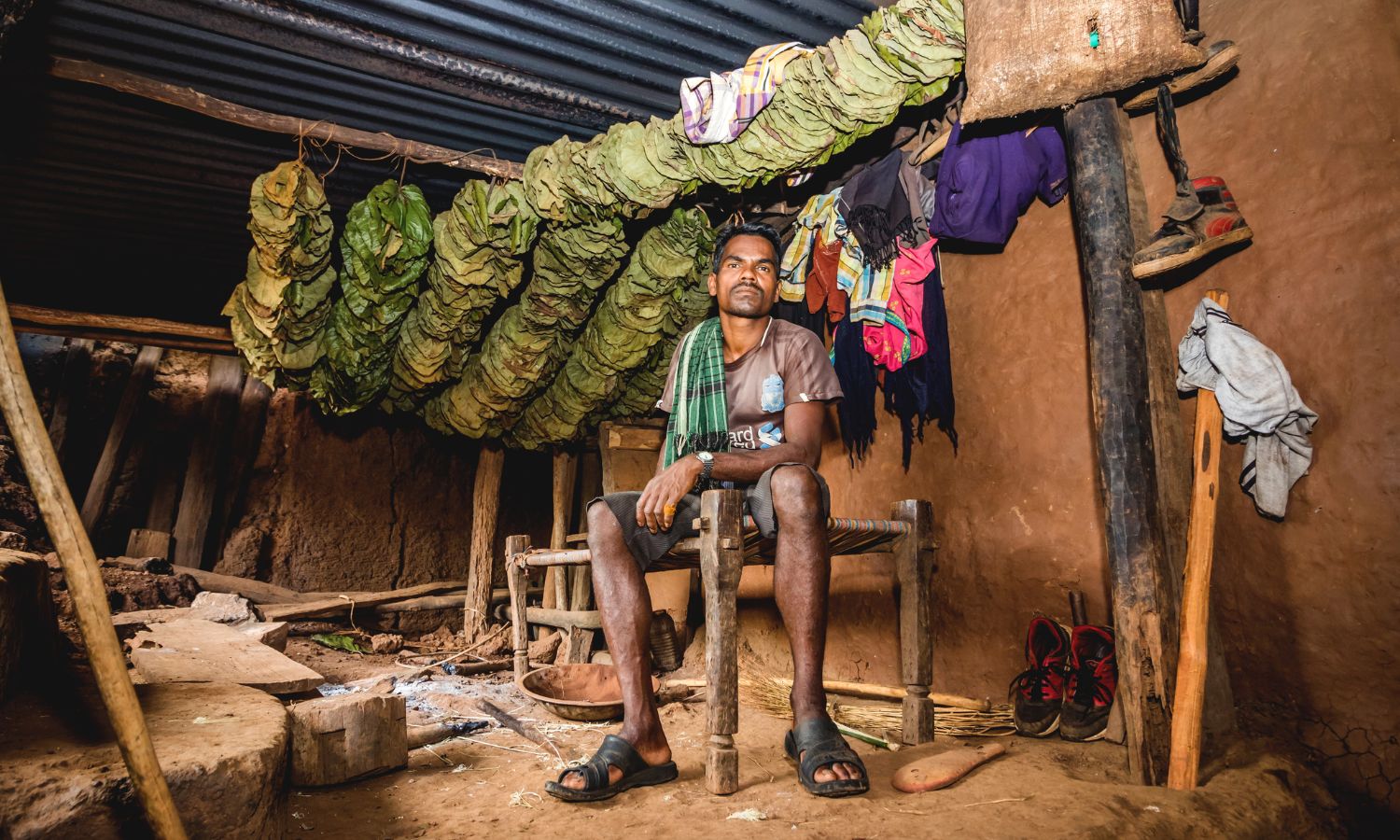
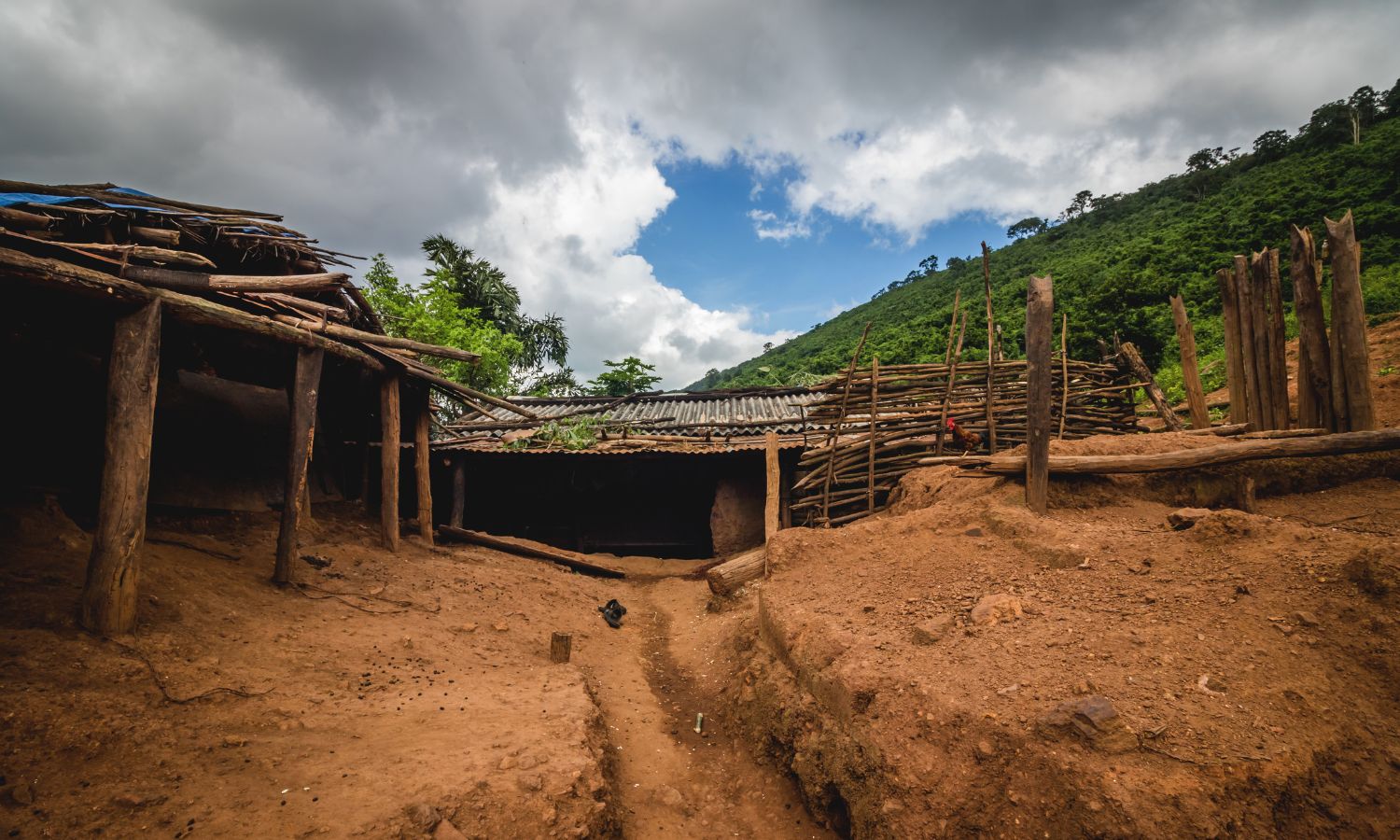
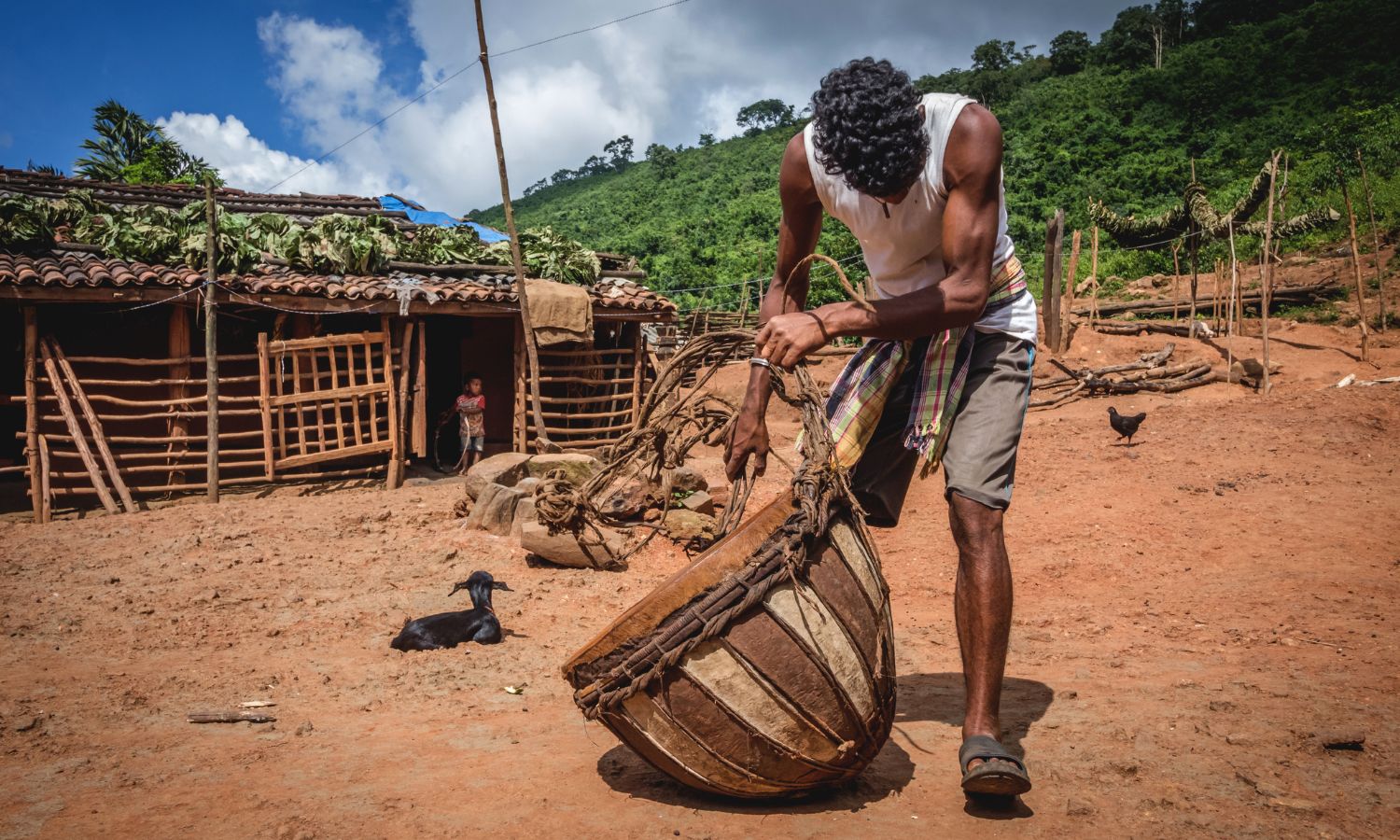
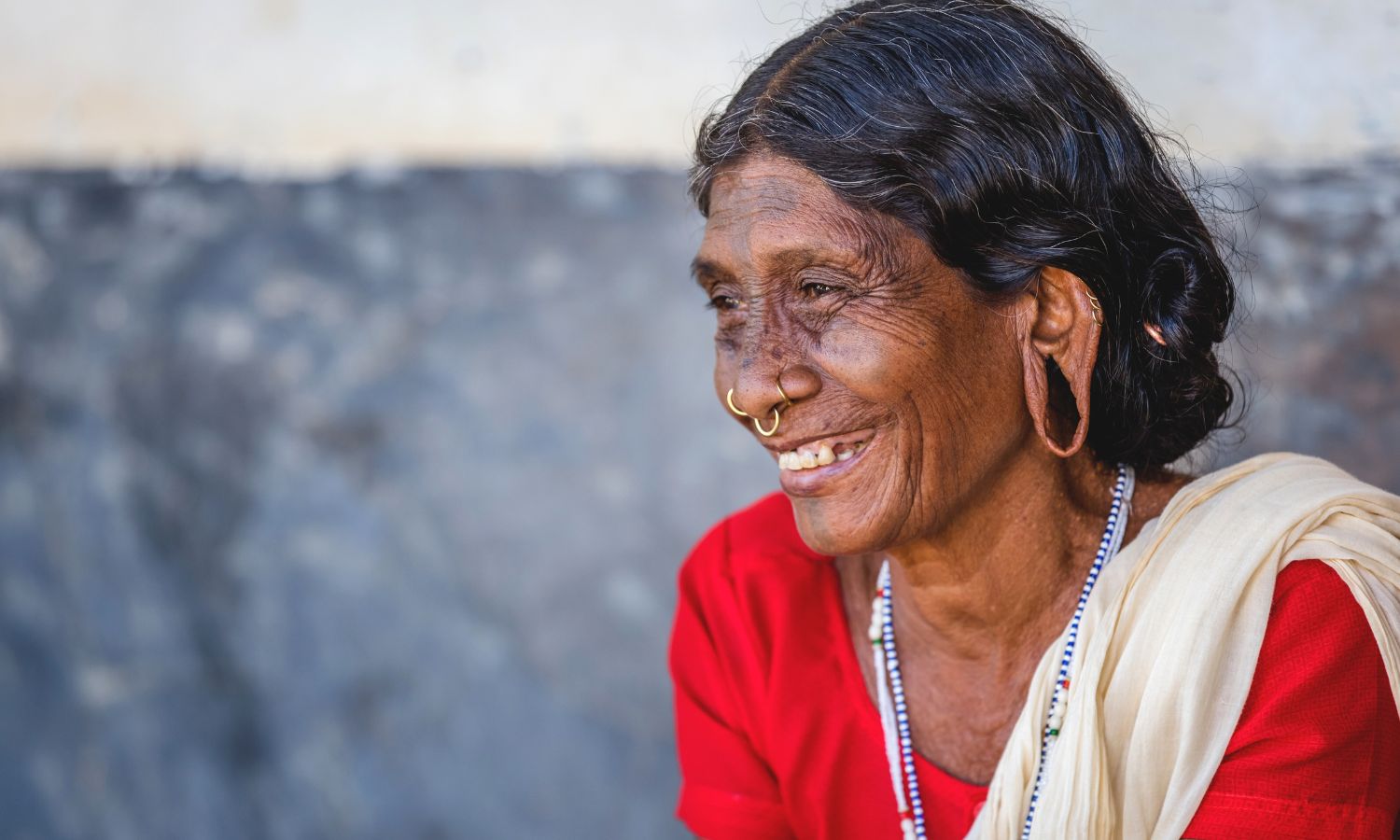
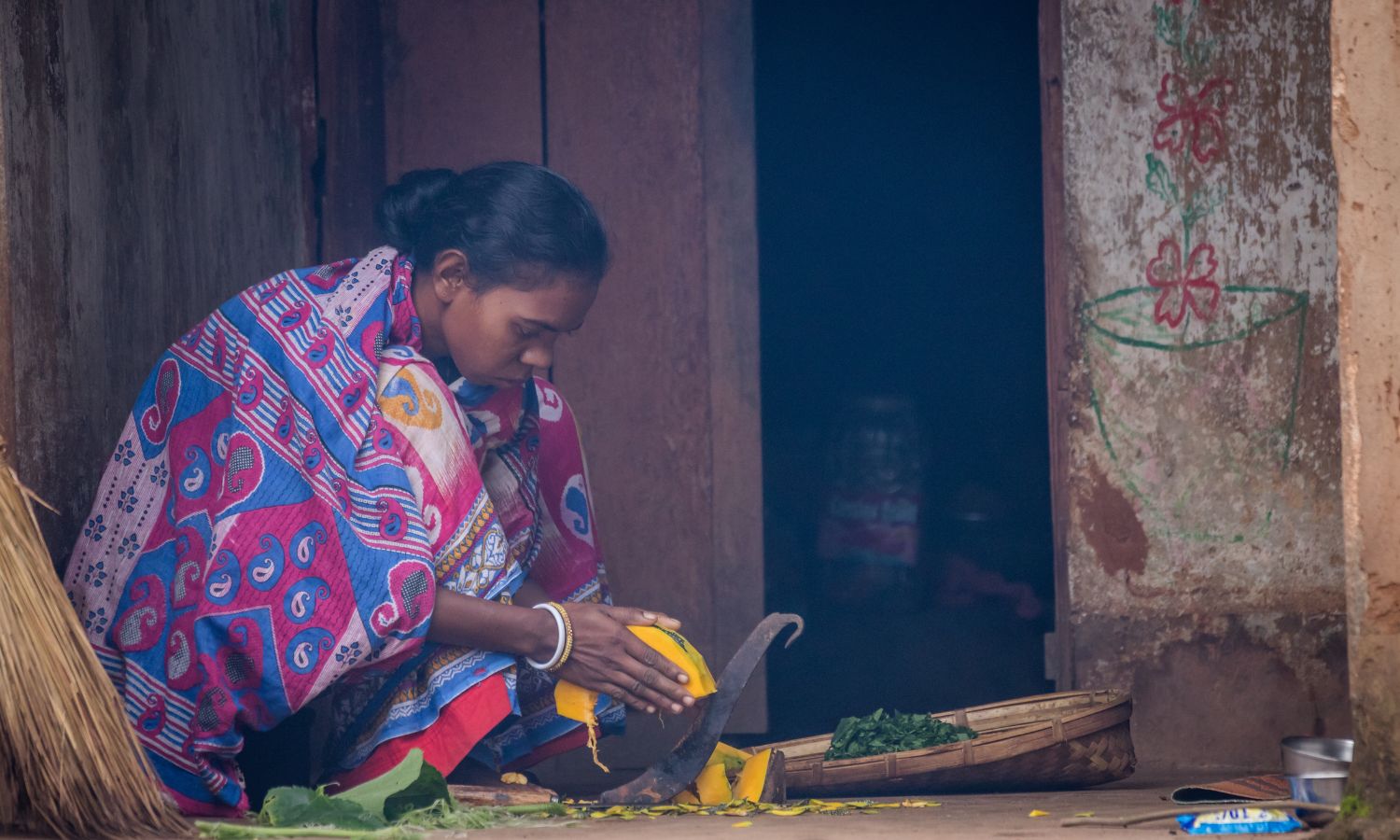
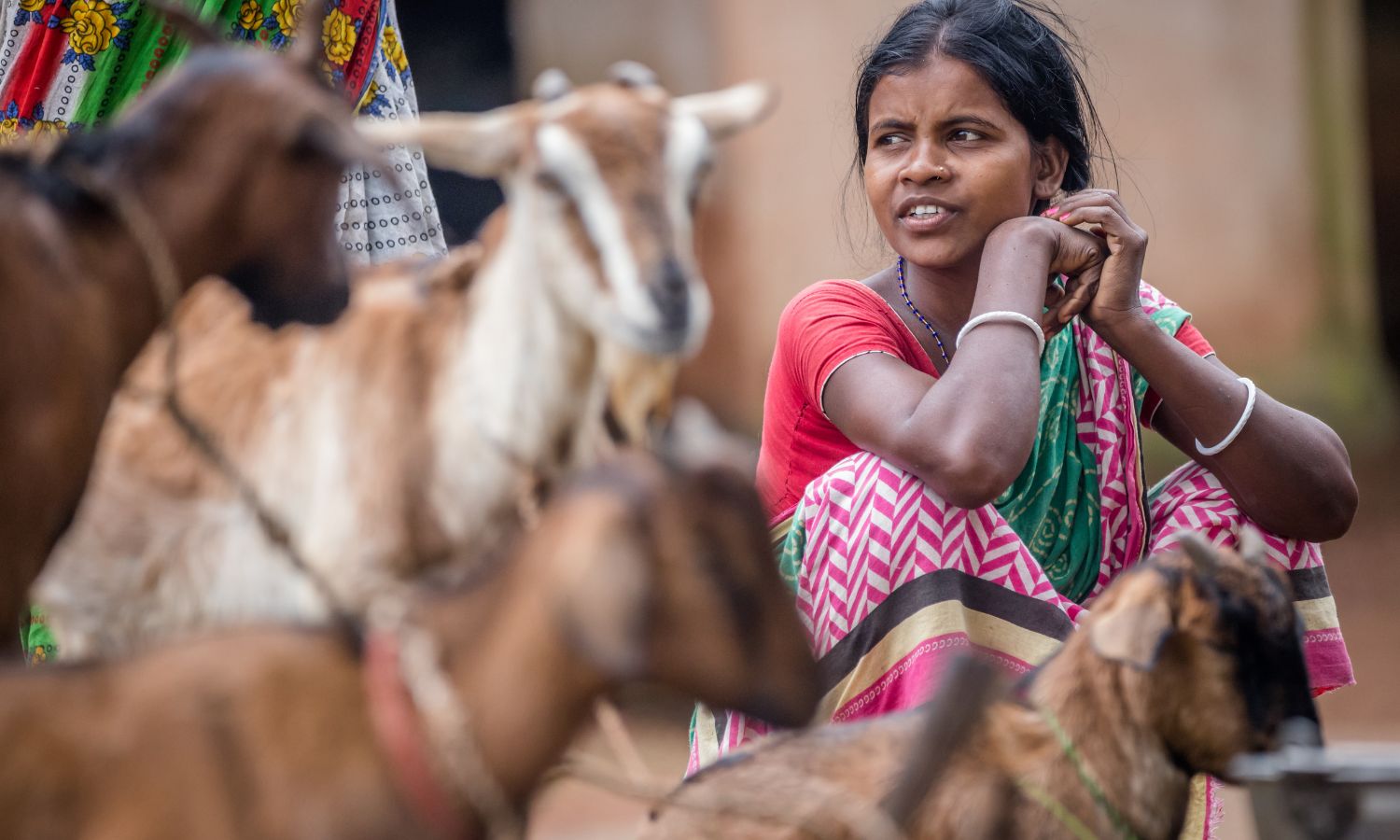
Across India’s rich and diverse tribal landscape, some communities continue to live on the margins, geographically isolated, with limited access to basic services and opportunities. Recognised as Particularly Vulnerable Tribal Groups (PVTGs), these communities represent some of the most at-risk populations among Scheduled Tribes.
Often residing in remote and hard-to-reach regions, PVTGs face unique challenges shaped by historical exclusion, fragile livelihoods, and restricted access to education, healthcare and infrastructure. Over time, changes in land use and resource access have further impacted their traditional ways of life, making everyday survival more uncertain.
The identification of these communities dates back to the Fifth Five Year Plan, when the Tribal Sub Plan (TSP) approach was introduced to prioritise focused development for tribal populations. Based on specific socio-economic criteria, certain groups were then classified as Primitive Tribal Groups (PTGs). In recent years, this terminology has been revised by the Government of India to Particularly Vulnerable Tribal Groups (PVTGs), reflecting a more sensitive and accurate understanding, while continuing to ensure targeted support for their all-round development.
While policy recognition is a critical step, meaningful change requires more than classification; it calls for sustained engagement, cultural sensitivity and community-led approaches that respect identity while expanding opportunities.
At KISS, our work with PVTG communities is rooted in dignity, inclusion and long-term empowerment, ensuring that no community is left behind in the journey towards equitable development.
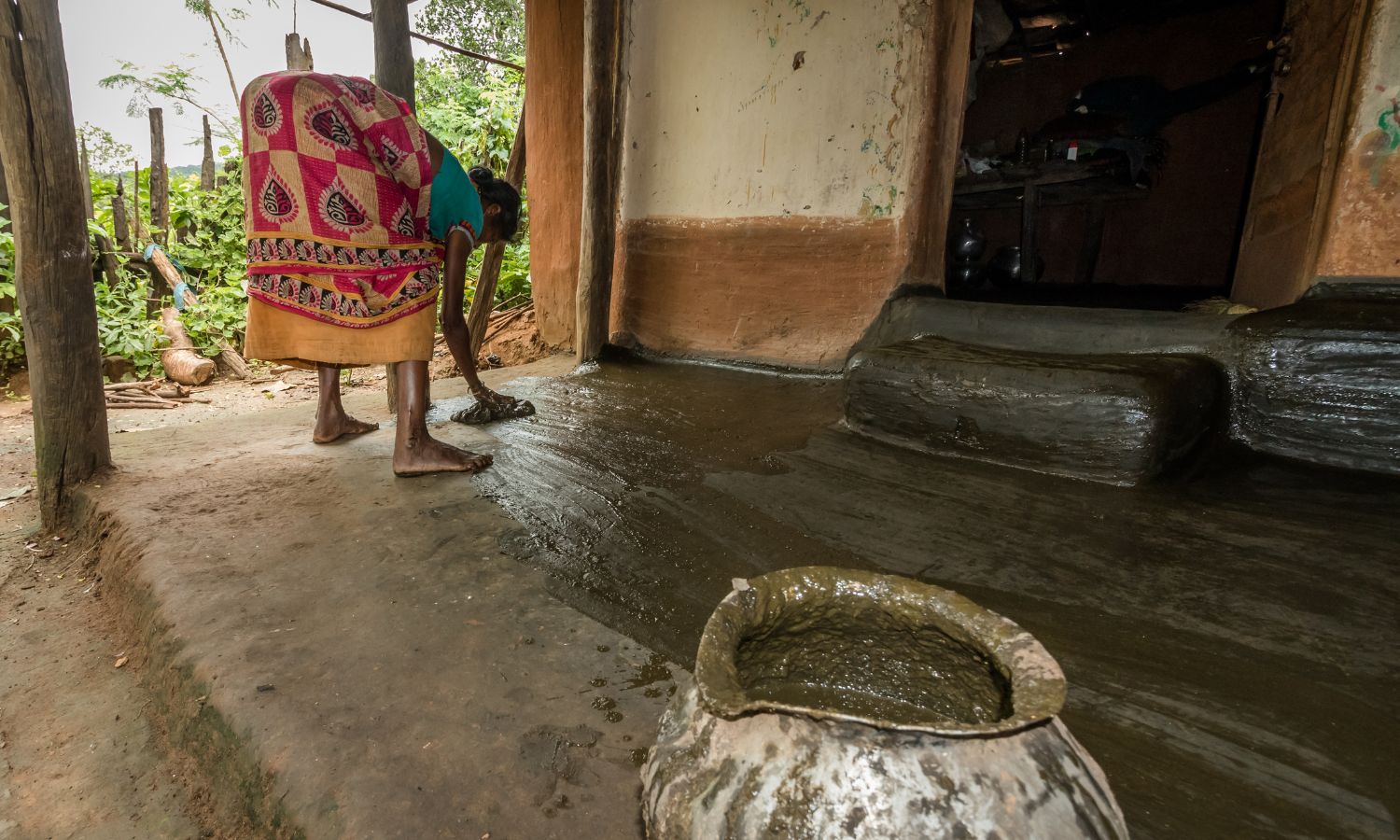
Birhor
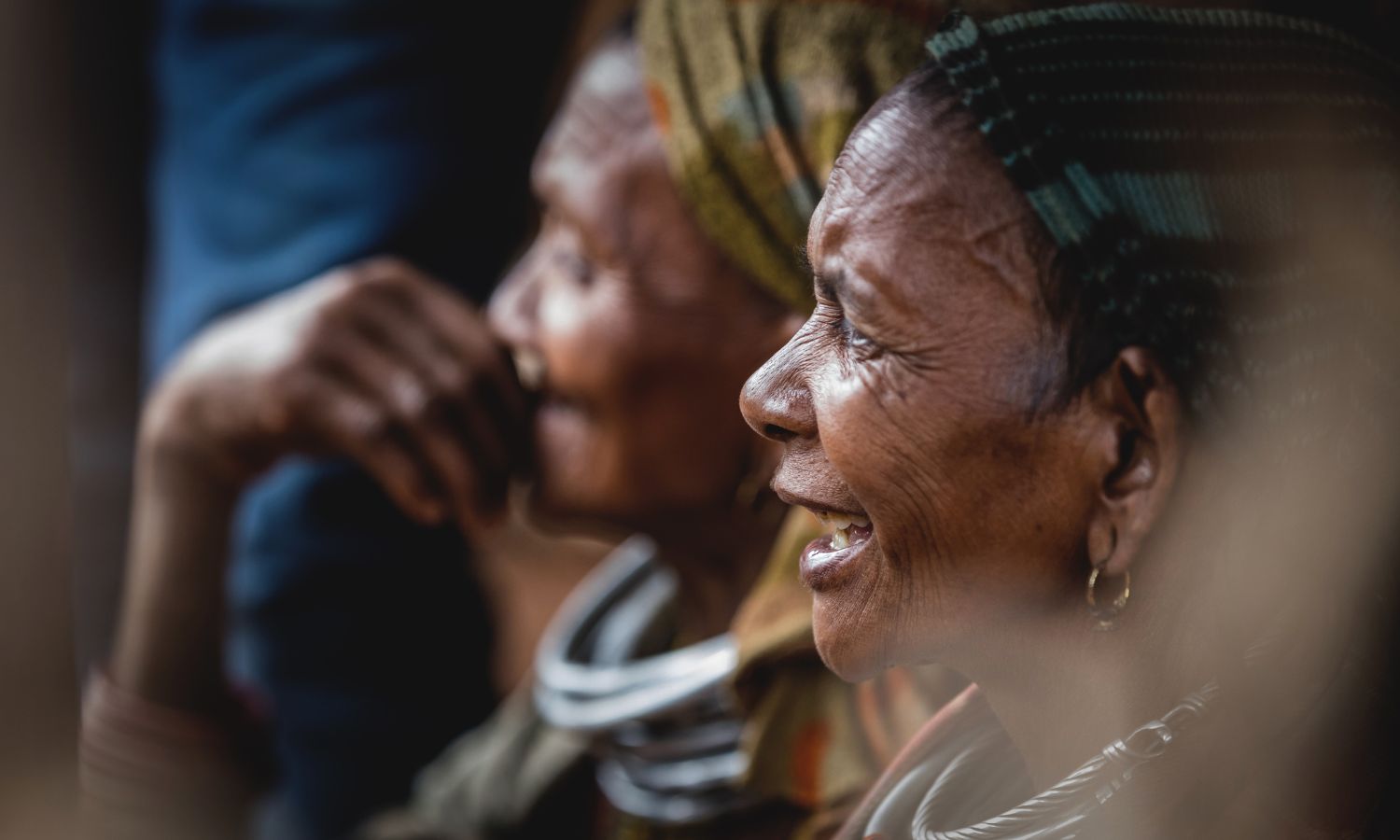
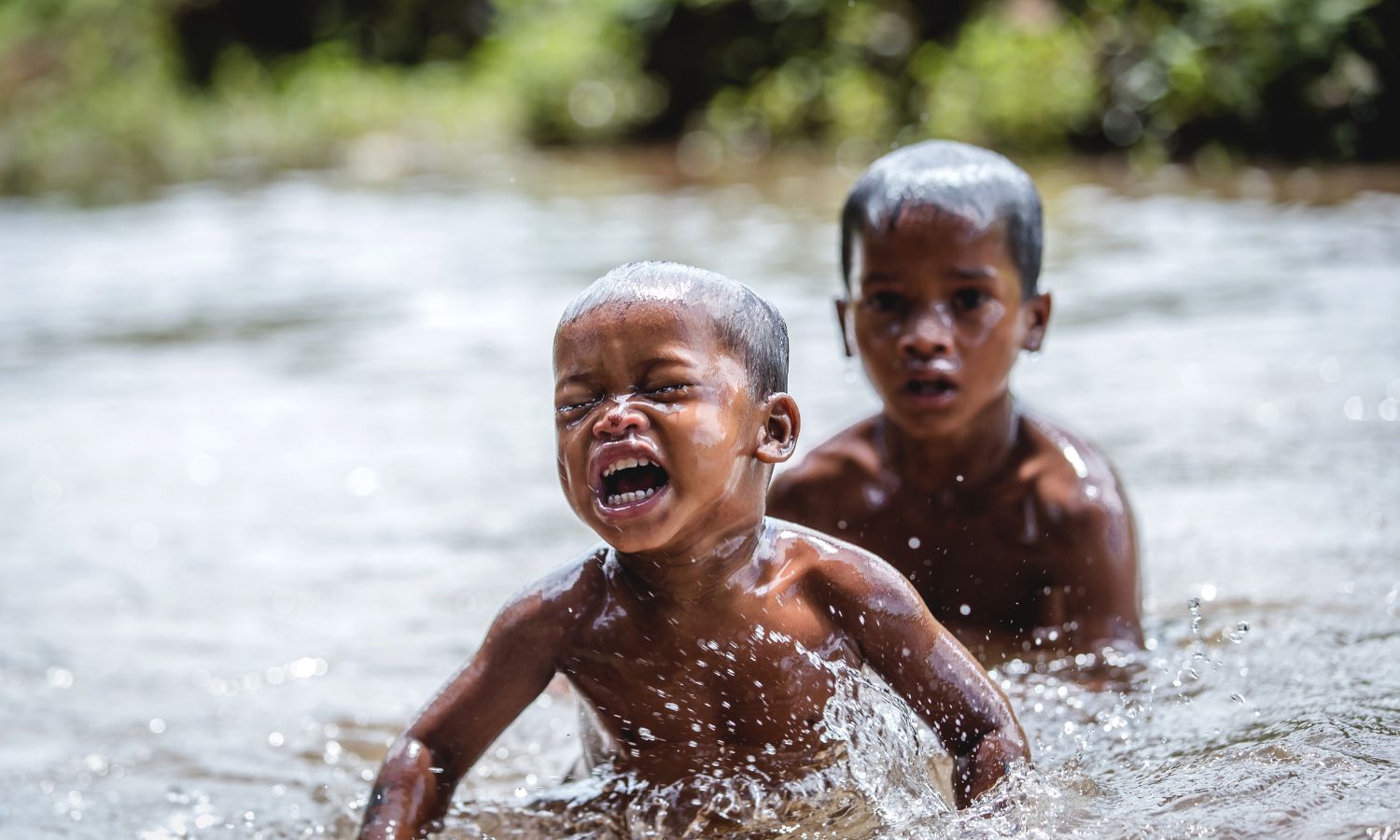
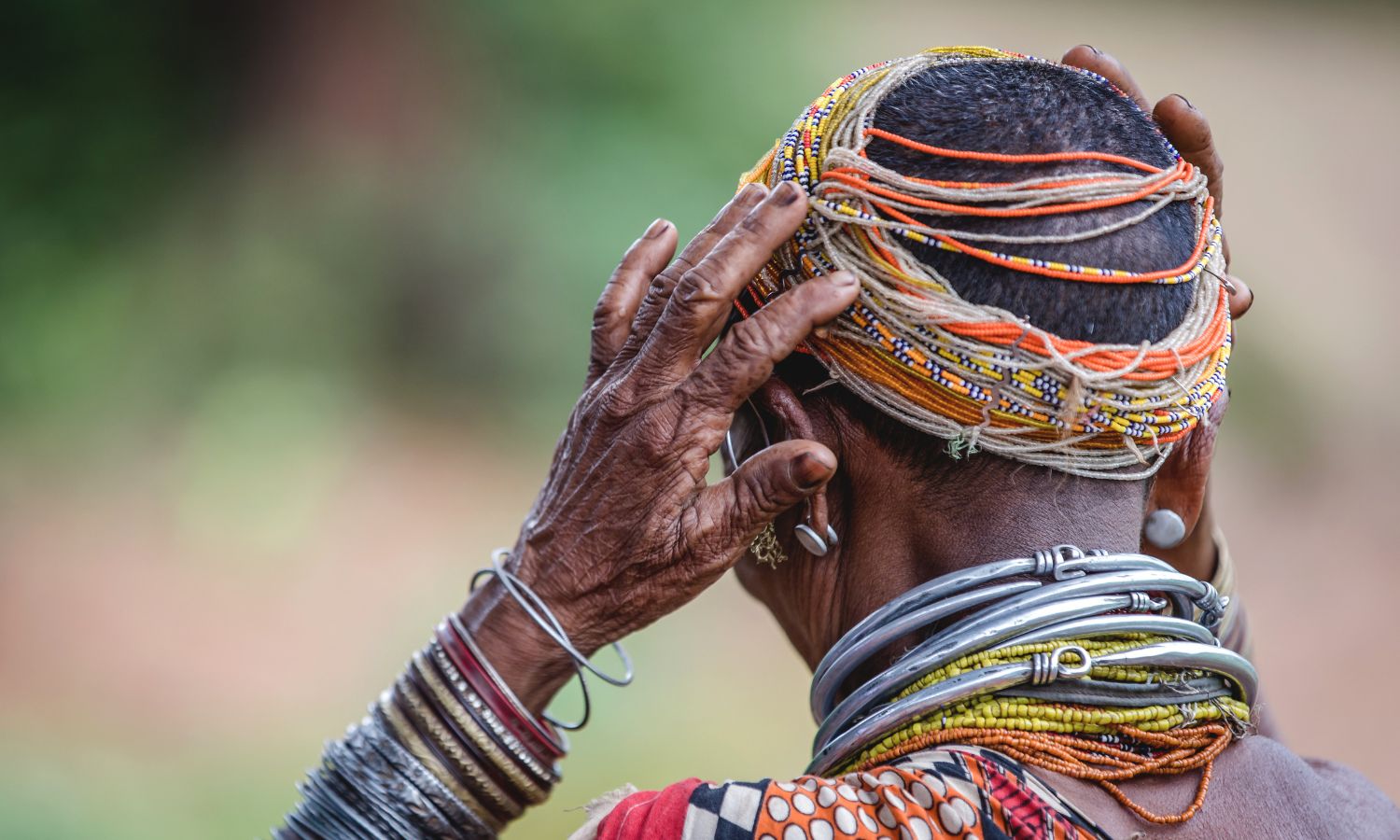
Bondo
Chuktia Bhunjia
Didayi
Juang
Kharia
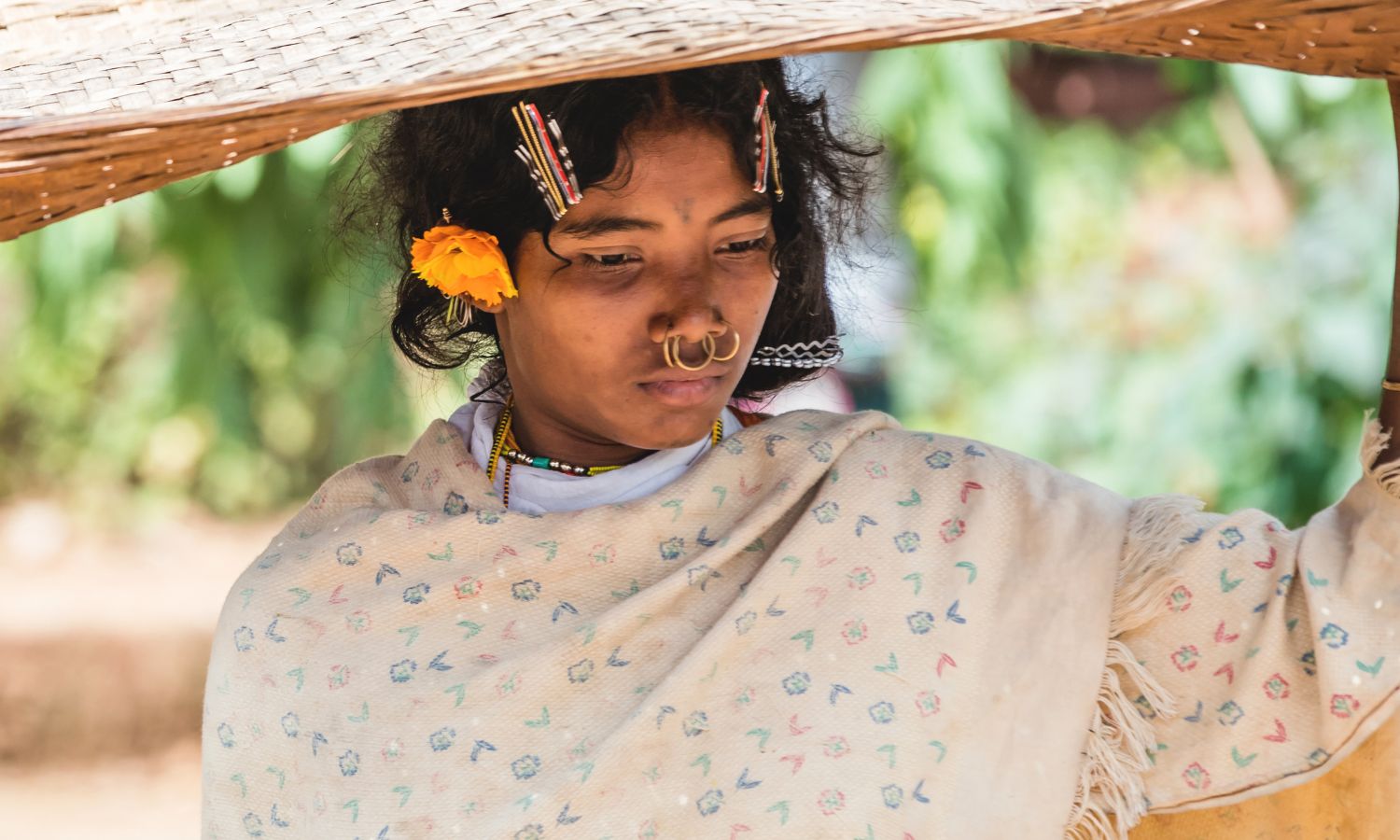
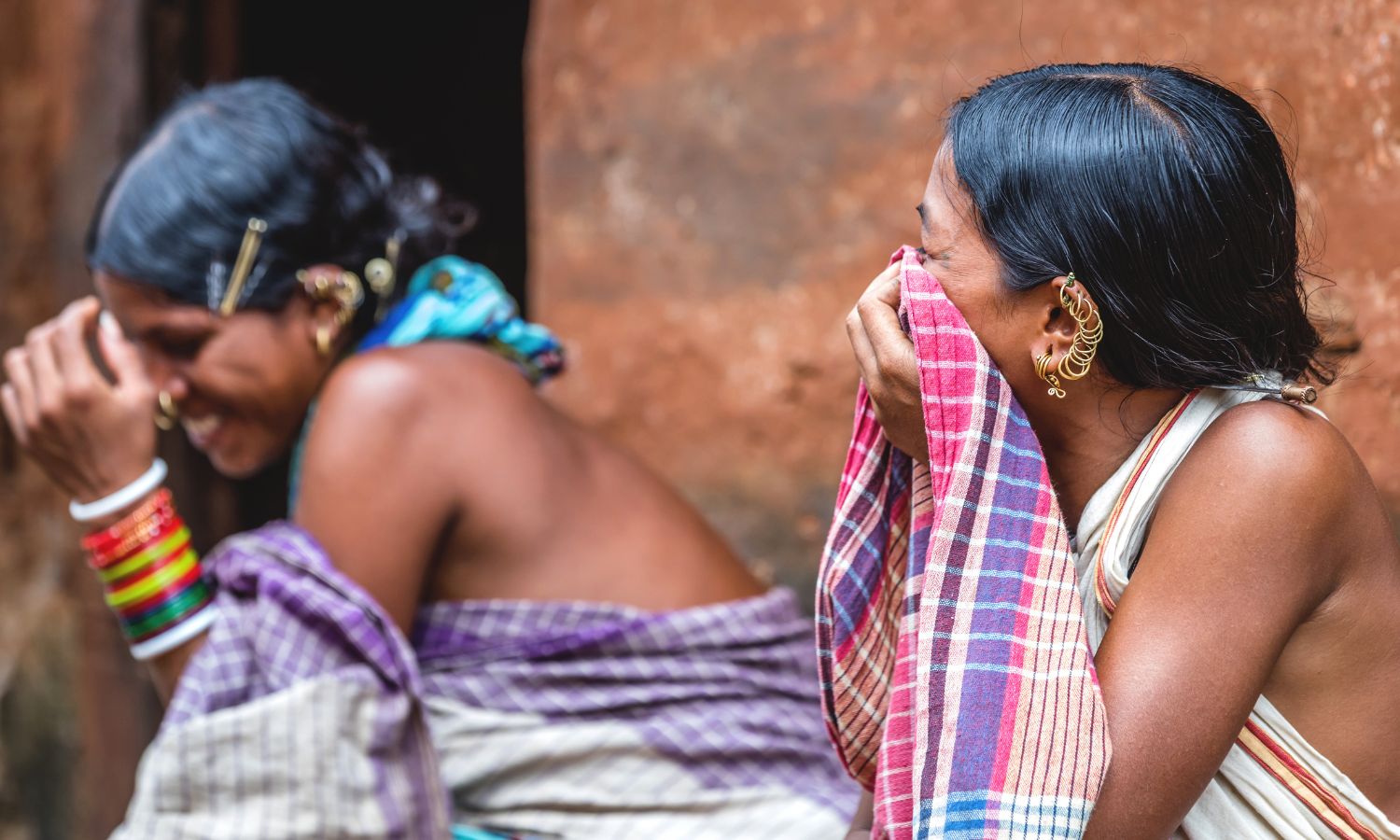
Dongria Khond
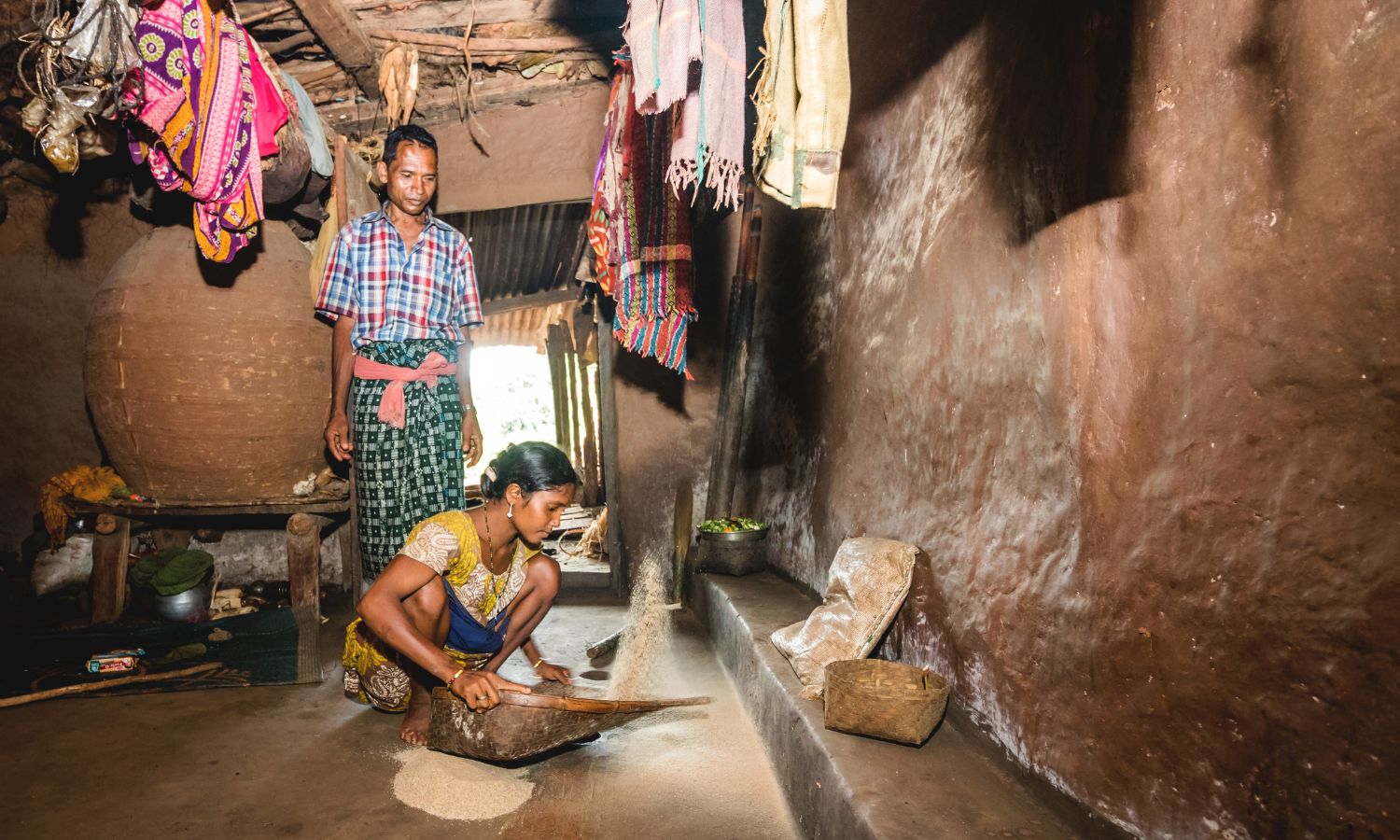
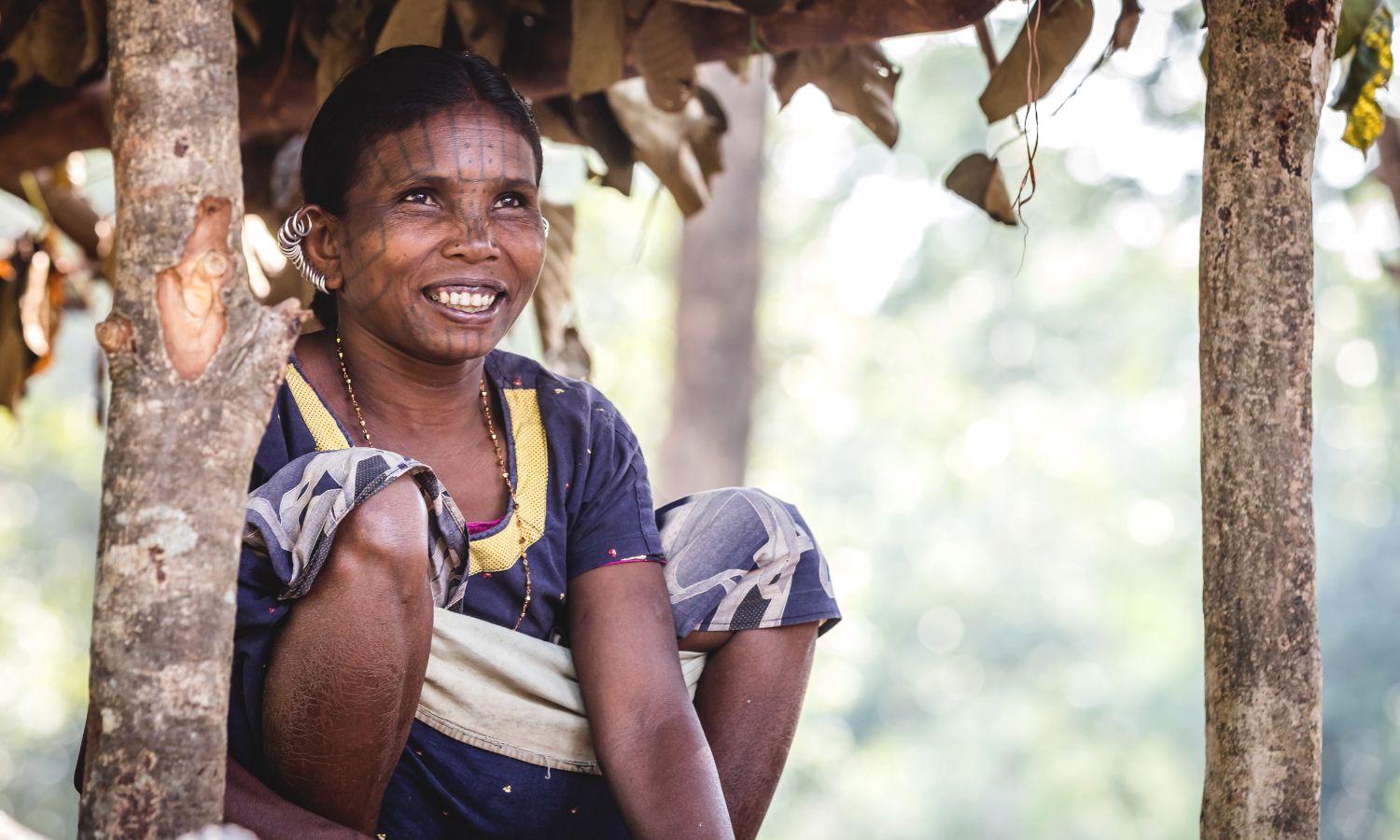
Kutia Khond
Lanjia Saora
Lodha
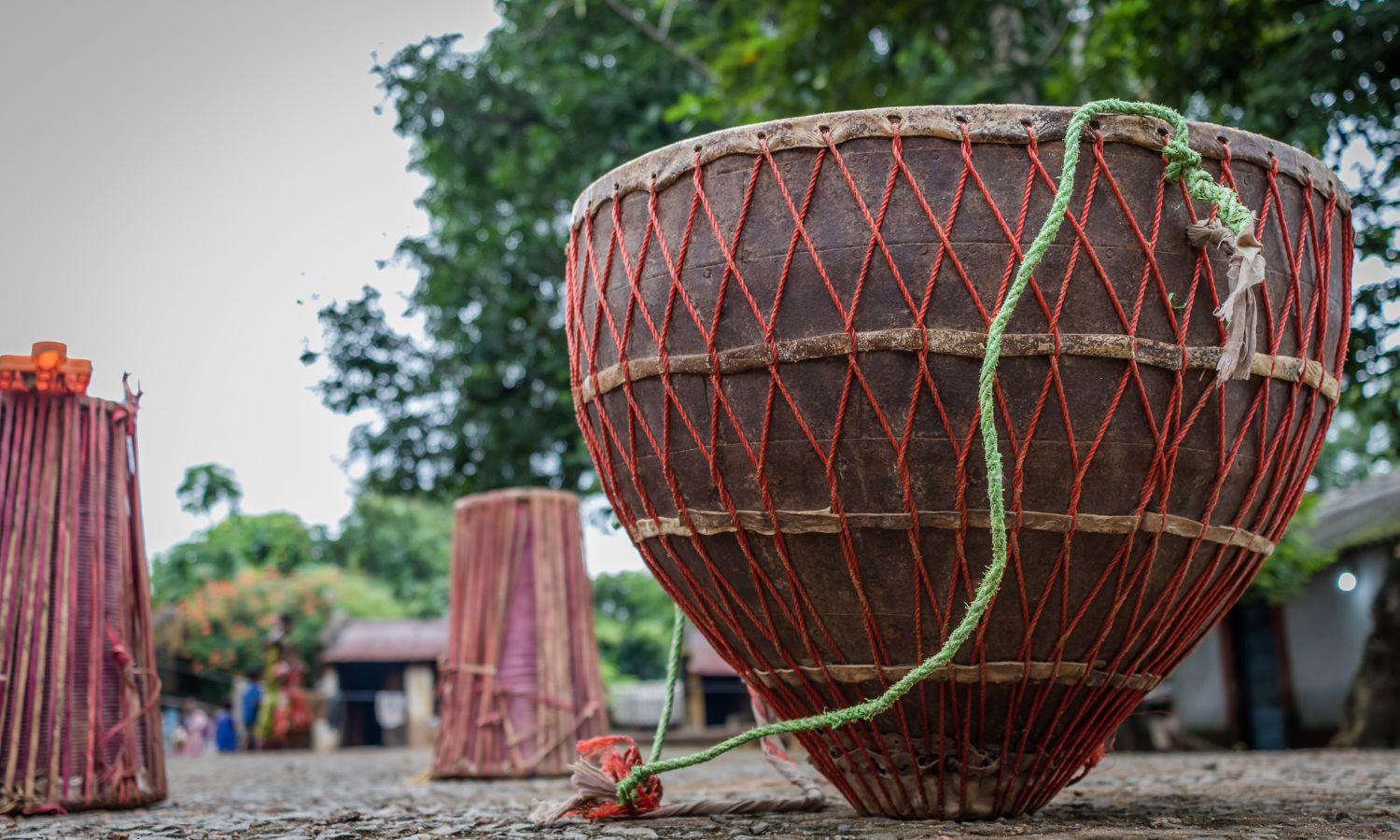
Mankidia
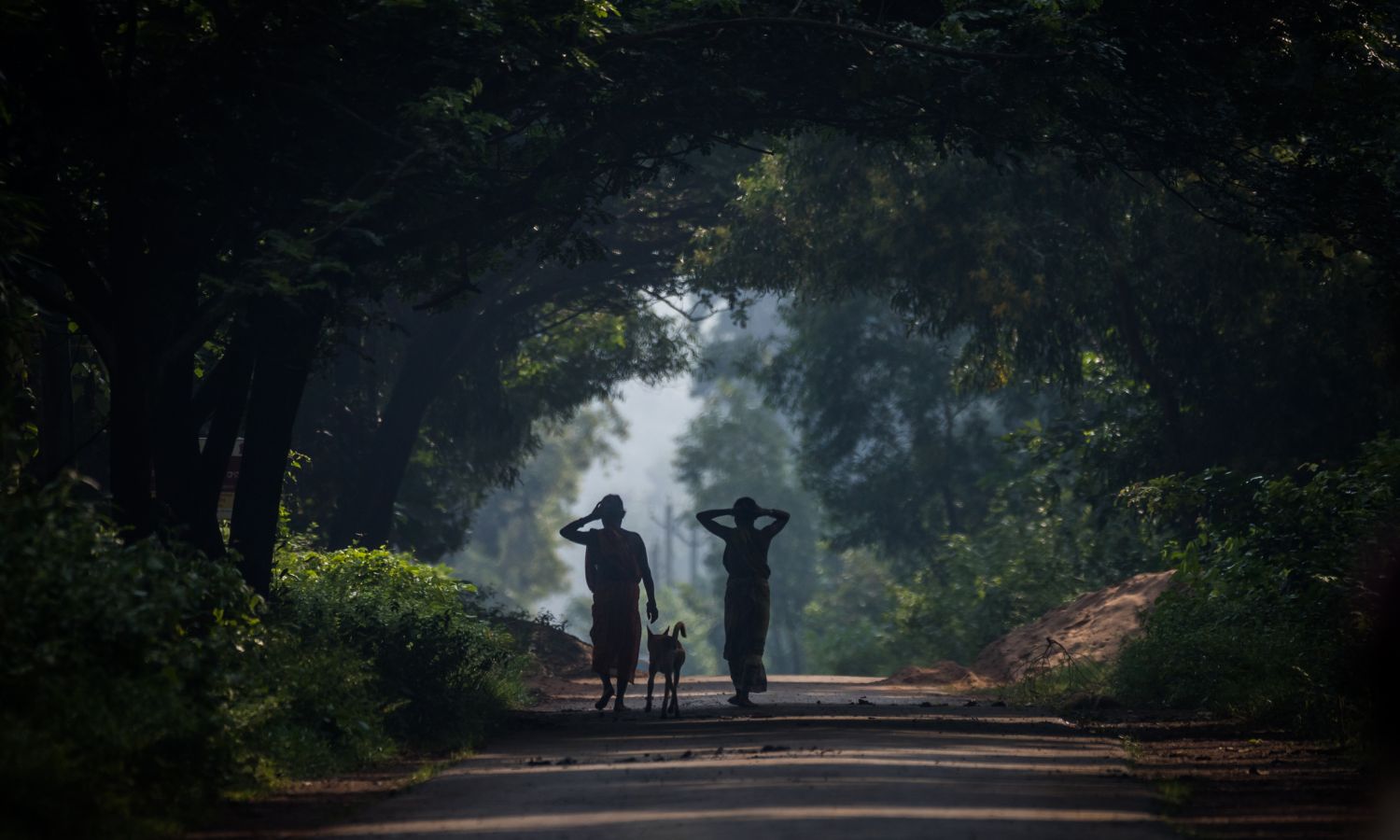
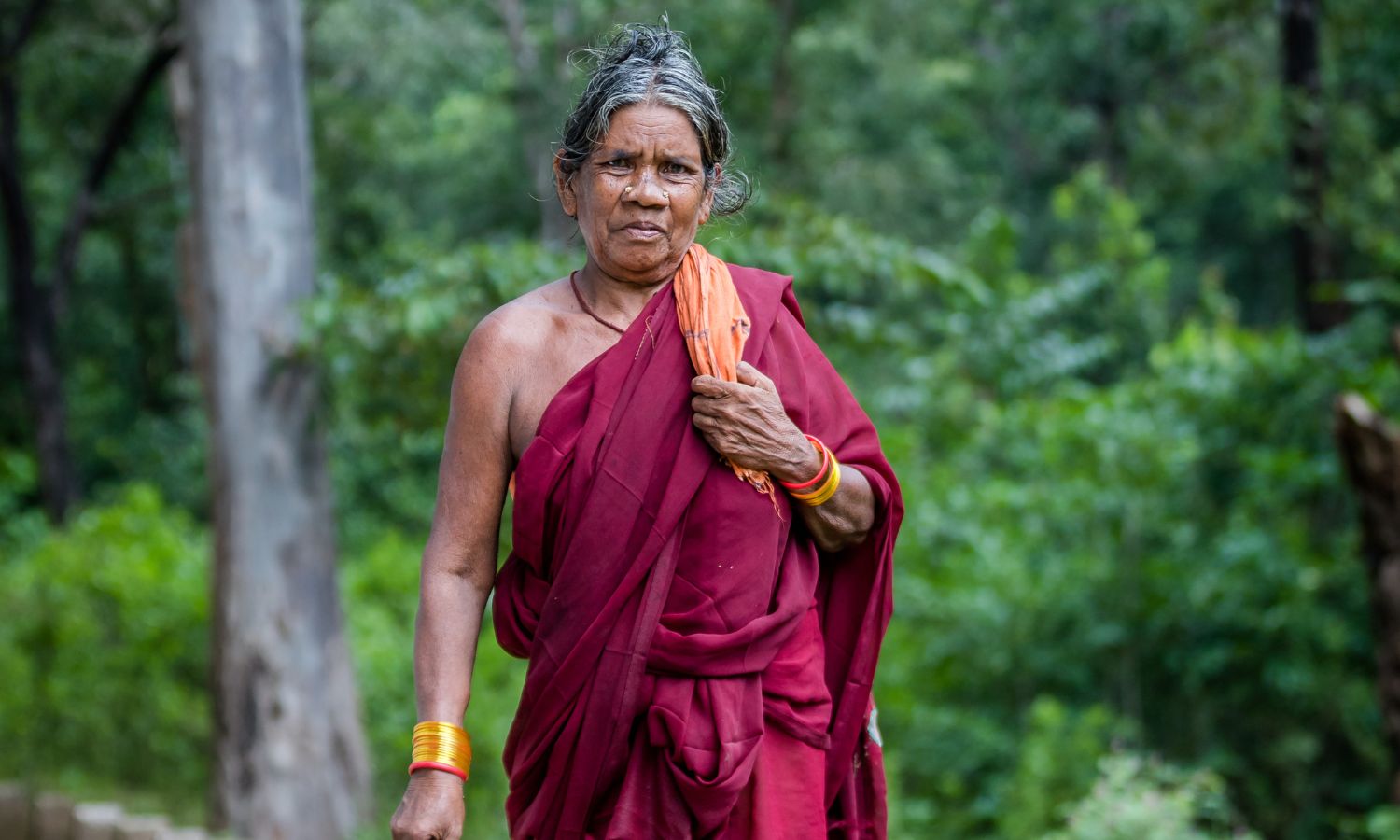
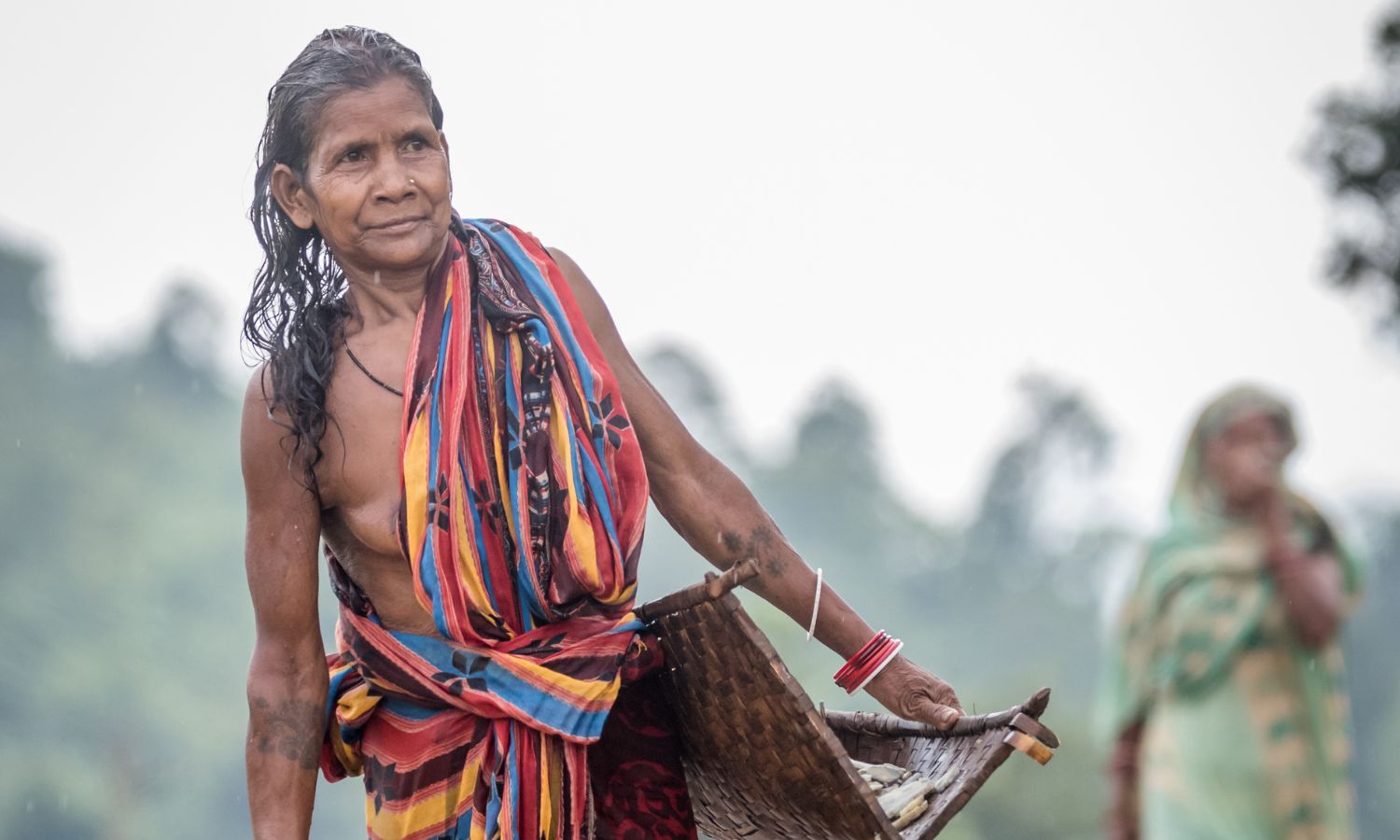
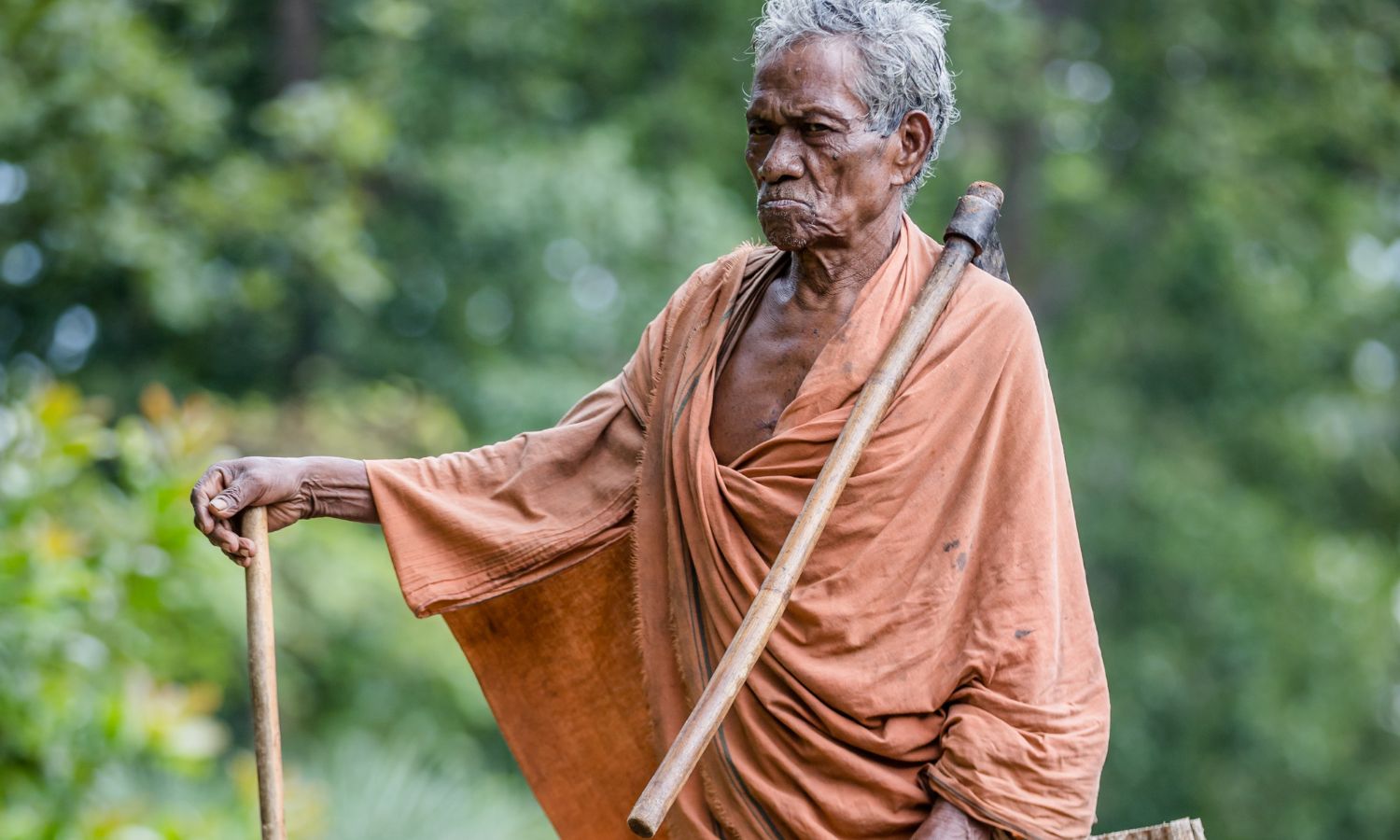
Paudi Bhuyan
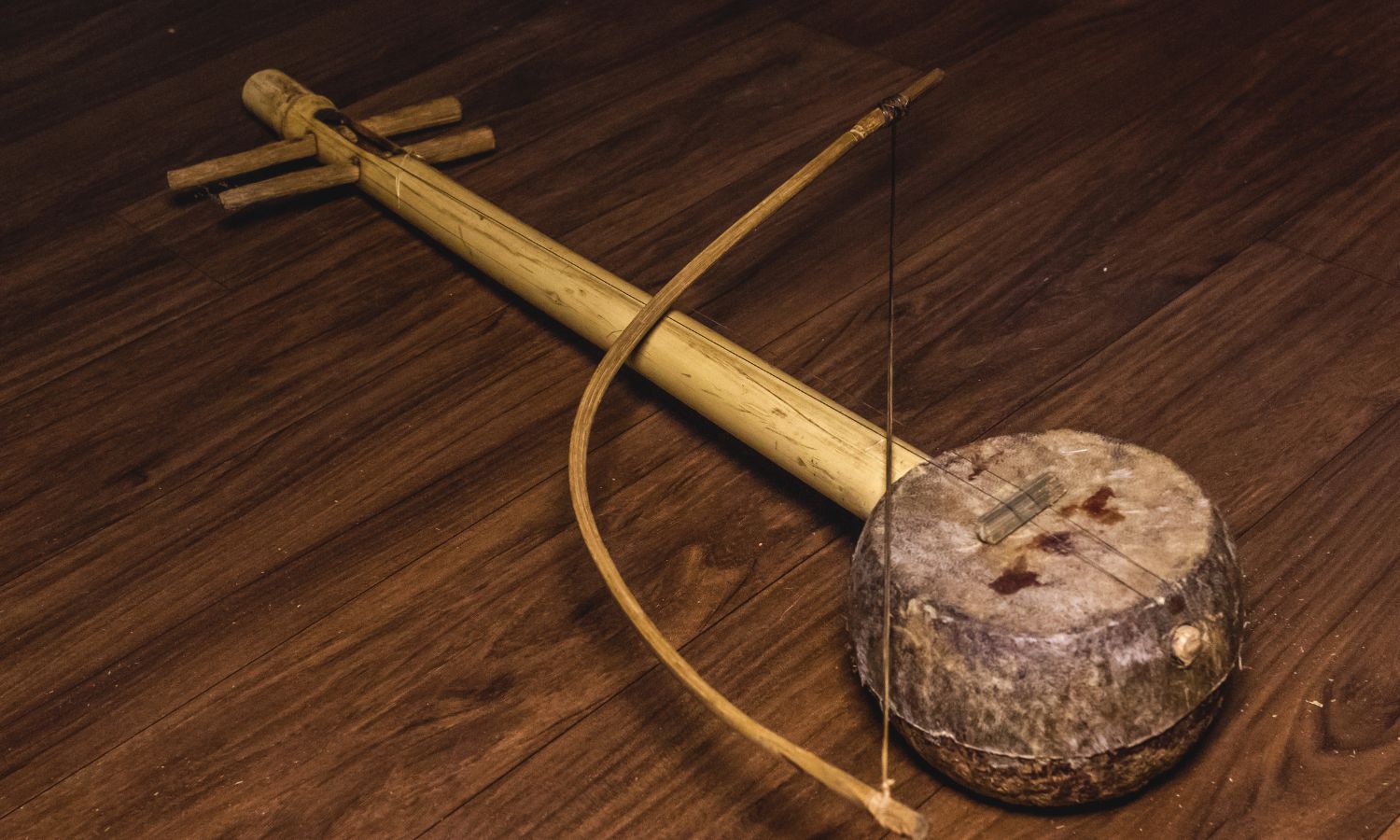
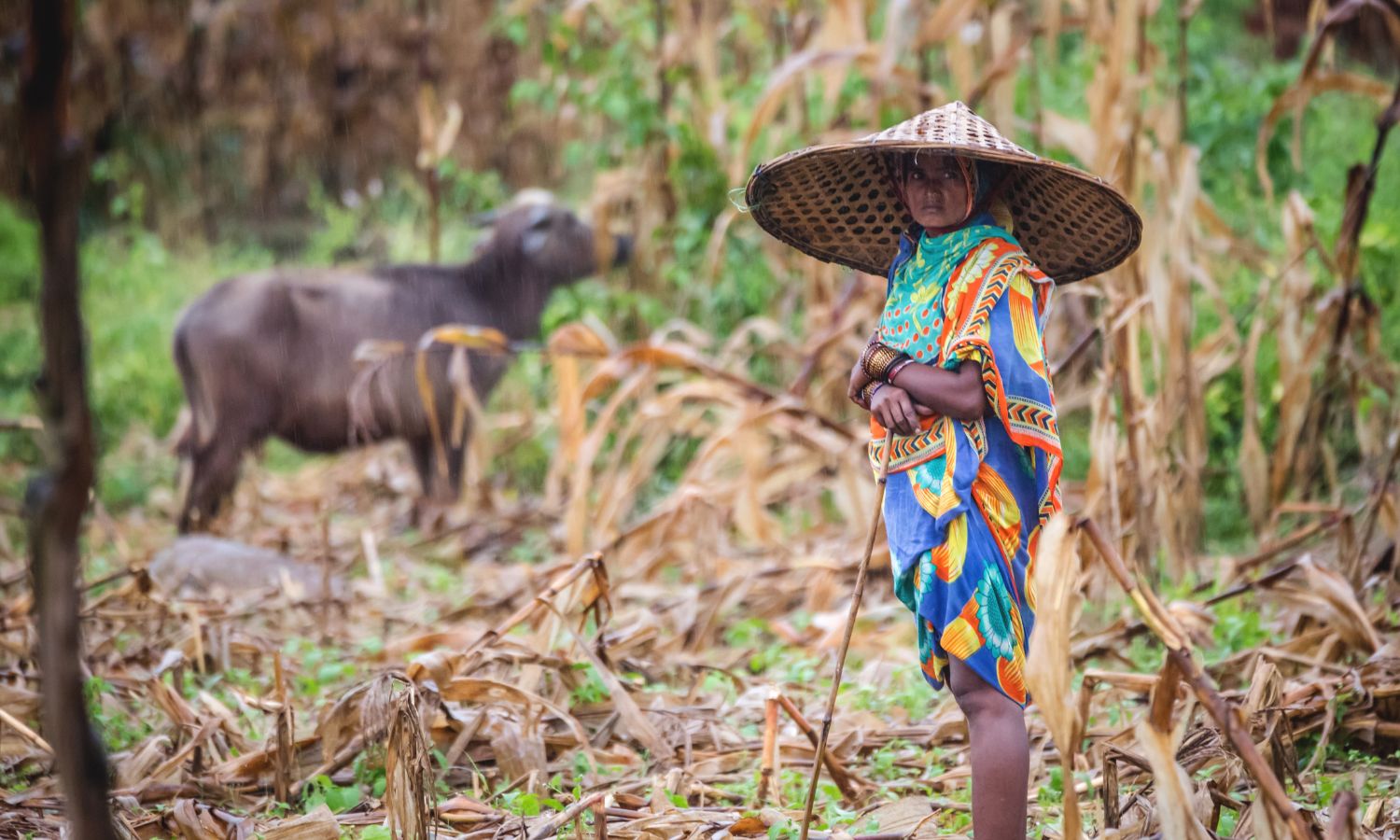
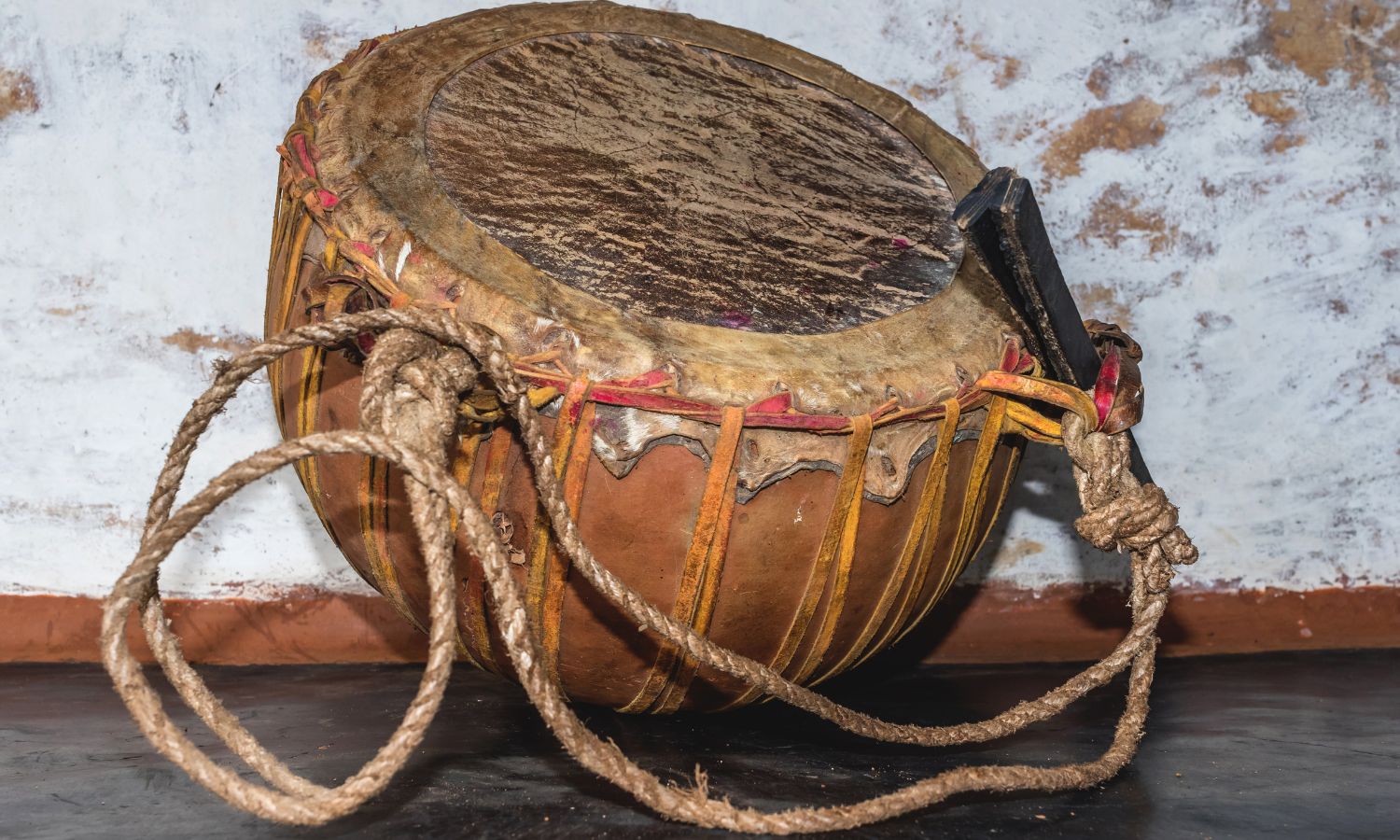
Saora
Birhor
Their language belongs to the Munda group of the Austro-Asiatic language family. Physically, Birhor individuals are generally of short stature with a dark complexion. Women commonly adorn themselves with ornaments made of glass beads and inexpensive metals.
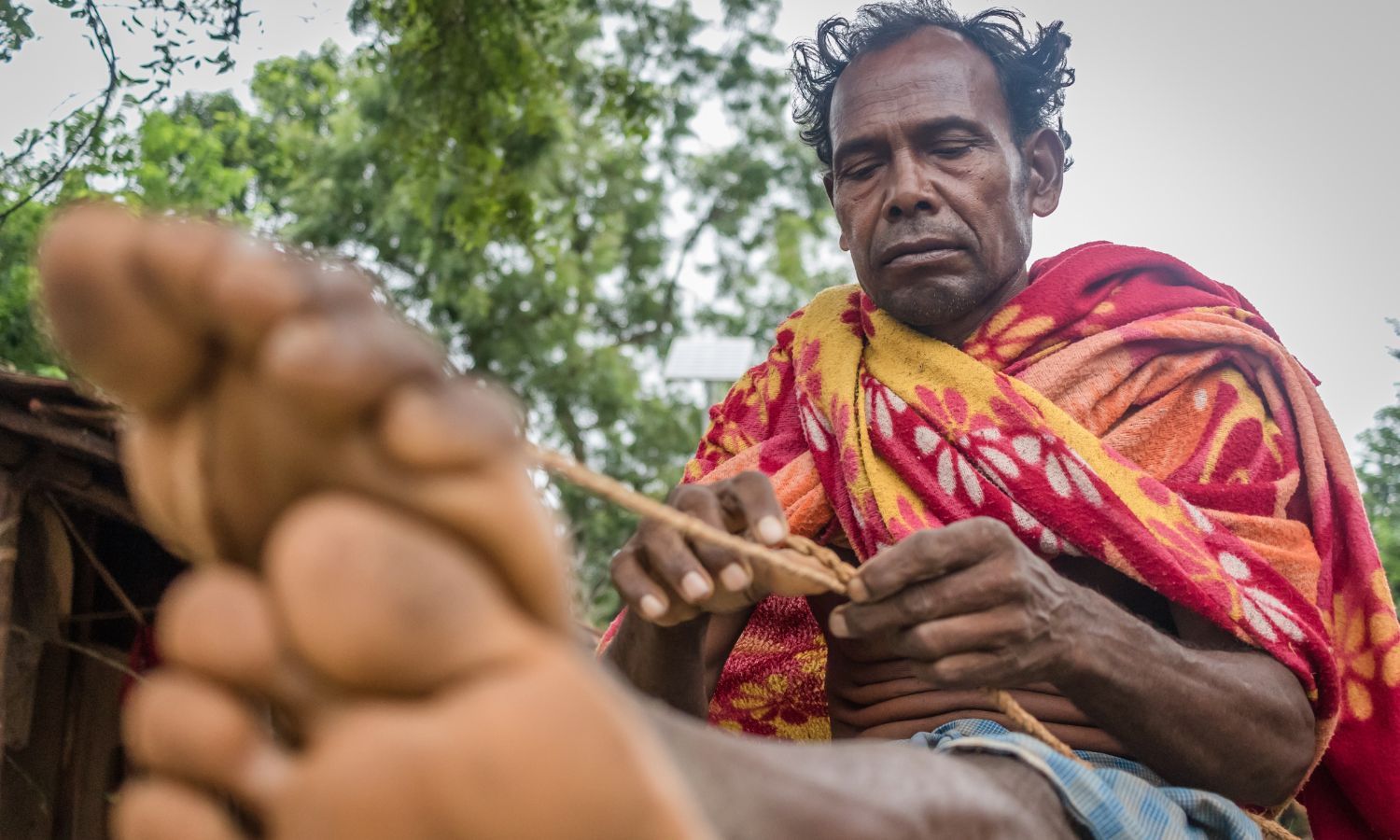
The Birhor typically establish their settlements, known as "Tanda," on the outskirts of villages, usually close to forests, water sources and local markets. The Tanda functions as a self-governed socio-political unit. Proximity to village markets is important, as it enables them to sell rope products, which form a key part of their livelihood.
Rope-making is a primary economic activity, with raw materials sourced from the forest. The Birhor practice endogamy and generally follow monogamous marriage customs.
Their religious beliefs are based on animism. They classify their deities into benevolent and malevolent groups and worship the Sun as their supreme deity. Forest deities such as Logobir and Budhimal are believed to reside in dense forests. Ritual worship precedes their annual ceremonial hunting festival, Disum Sendra.
Bondo
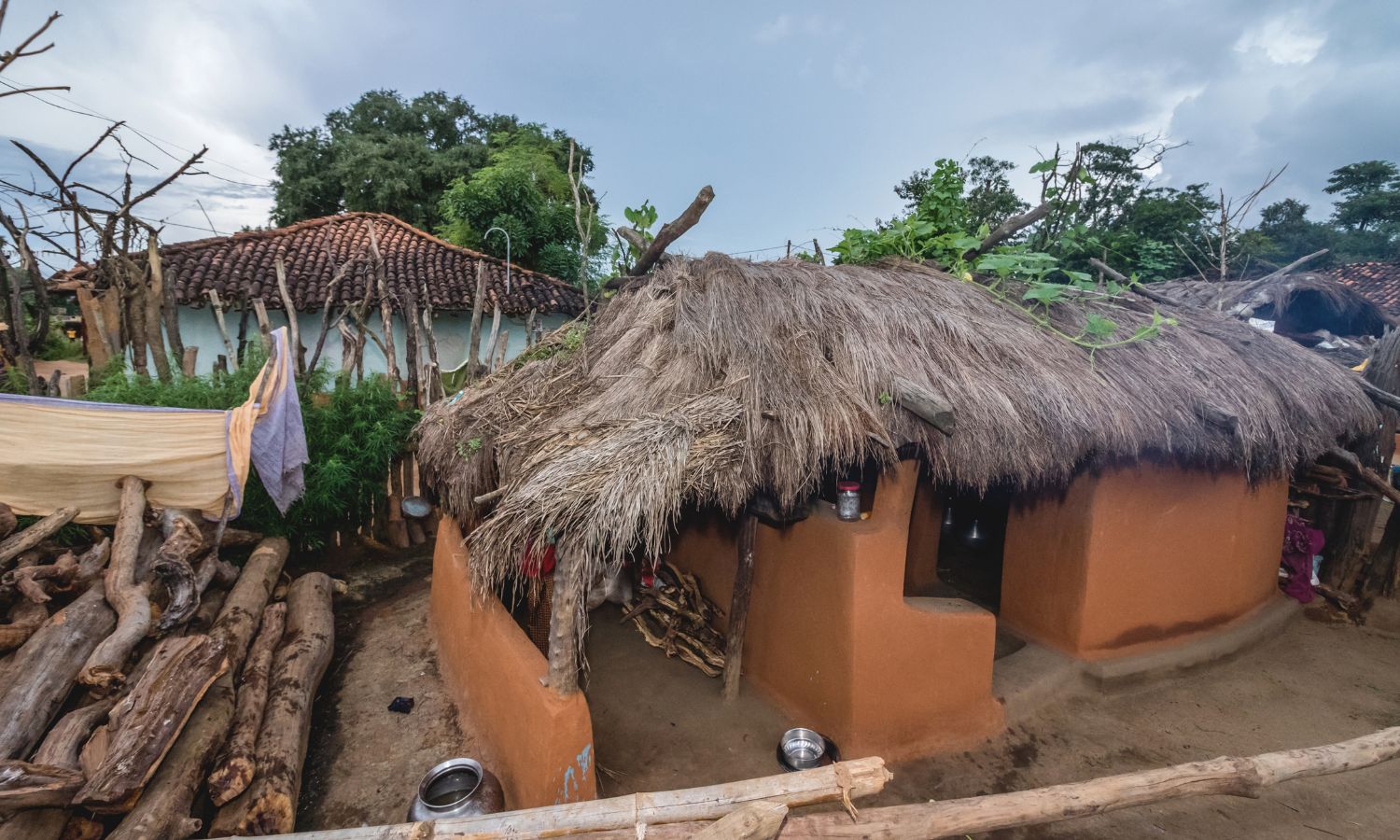
The Bondas live in small thatched huts. Their livelihood is supplemented by animal domestication and seasonal collection of forest produce.
Bonda villages are traditionally autonomous, with social order maintained through a system of customary functionaries including the Naik (village chief), Challan (organiser of village meetings) and Barik (village messenger).
The Bondas follow polytheistic beliefs and worship a range of deities associated with nature, including Patkhanda Maparabhu (creator of the universe), Bursung (mother earth), and several forest and stream deities.
Chuktia Bhunjia
A distinctive feature of Chuktia Bhunjia socio-cultural identity is the sacred kitchen shed, which is built separately from the main house and enclosed to prevent contact with outsiders, including married daughters. If the shed is touched by an outsider, it is ritually destroyed.
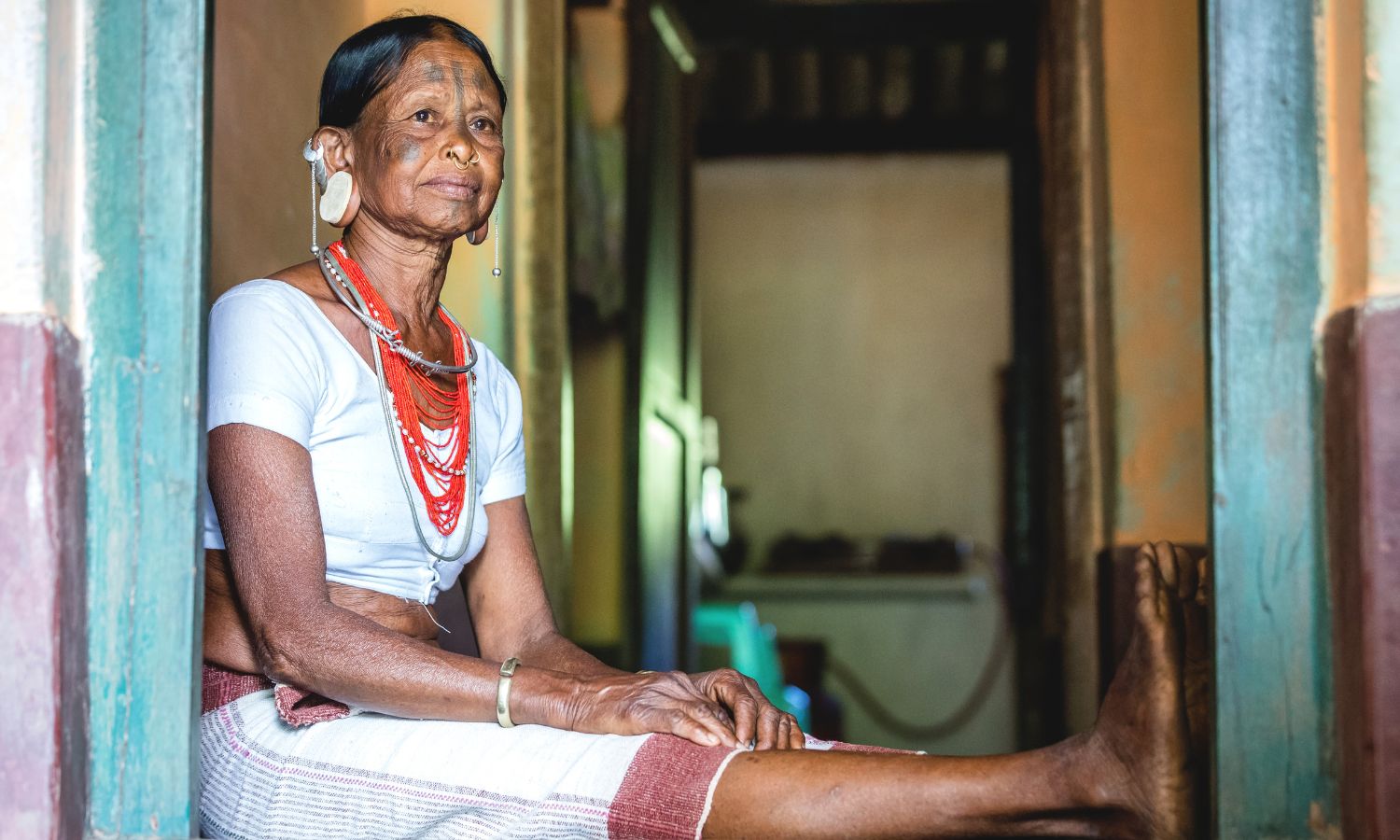
Women wear sarees and adorn themselves with bead and coin necklaces, brass and glass bangles, anklets, and earrings. Tattooing has traditionally been an important form of adornment among women.
Suna Dei is the supreme deity of the Chuktia Bhunjia and is worshipped at a shrine in Sunabeda. As per religious injunctions, the community does not use tiles for roofing, cots for sleeping, or the traditional dhenki (wooden husking device).
Didayi
As a distinct ethnocultural group, the Didayi are largely self-perpetuating and maintain a strong sense of identity. Their culture remains closely aligned with their physical environment.
The religious beliefs of the Didayi include elements of both animism and animatism. Central to their belief system is the worship of Mother Earth and her consort, the ant-hill.
Their pantheon includes deities such as BuroBhairo and Nanagiri, Bangur and Raskuruku, and several others. They observe numerous festivals including Lendi Pande, Ghia Pande, Sibo Loye Hia, and more.
Juang
They follow a broad kinship system and emphasise a strong sense of community life. Historically, the Juang were hunters and food gatherers who later adopted shifting and wet land cultivation.
The bachelor dormitory, known as "Mandaghar," is an important traditional institution and serves as a centre for informal education and community life.
The Juang worship Dharmadeota (Sun God) as their supreme deity, followed by Basumatimata (Earth Goddess). Their feasts and festivals are closely associated with hunting, collection of forest produce, and agricultural cycles.
Kharia
The Hill Kharia consider themselves the autochthonous inhabitants of the Mayurbhanj hills. They primarily depend on food gathering and hunting, while also practising cultivation on small patches of land.
The Hill Kharia observe religious practices centred around appeasing supernatural powers. Athardeuli in Similipal is regarded as a sacred place and Badam is considered the presiding deity of the region. Sal trees are held sacred.
They believe in Dharam (Sun God), and every hill in Similipal is considered sacred. At the village level, Thakurani is the main deity.
Dongria Khond
Traditionally, their economy is closely linked to the forest. They practise shifting cultivation and are skilled horticulturists, growing fruit-bearing trees such as mango, jackfruit, banana, and pineapple on hill slopes.
Dongria Kondh villages are organised along clan lines, with strong systems of kinship, land ownership, and community cooperation. The community places strong emphasis on collective labour practices such as Sahabuti, Dutarubuti, and Dasabuti.
The Dongria Kondh are animists and polytheists. Among the most significant festivals is the Meriah or Kodru Parbu, a major community festival involving animal sacrifice and collective participation.
Kutia Khond
Their habitat is characterised by a relatively cooler climate and hilly terrain covered with dense mixed forests. Sal is one of the dominant tree species. They practise shifting cultivation, using forest areas near their settlements.
The Kutia Kondh worship their deities through symbolic structures such as wooden poles, notched bifurcated pillars, bamboo frames, stone pillars, and raised platforms marked with vermilion. Dharani Penu is a central deity.
The Jani serves as the full-time magico-religious specialist and conducts rituals and ceremonies. Major festivals include Meriah sacrifice, Puni Kalu, Dadbinere, and others.
Lanjia Saora
The Lanjia Saora live in scattered settlements along hill slopes. At the entrance of each village, guardian deities are installed and represented by wooden posts. They practise shifting cultivation and also develop stone-bunded terrace fields with inbuilt water management systems.
Their social organisation is based on lineage groups known as "Birinda." They are known for their distinctive wall paintings, called "Idital," which hold cultural and ritual significance.
Their belief system centres around "Sonnum" — a general term for deities and spirits. Shamans, known as Kudan and Kudan Bai, act as intermediaries between humans and the supernatural.
Lodha
Lodha settlements are generally located near forests with access to perennial water sources. The community largely depends on forests for livelihood.
The Dehuri serves as the village priest and conducts religious rituals. The Lodhas believe in Bhagaban and Mother Earth (Basumata). Sitala is regarded as a principal deity. As a protective practice against witchcraft, the placenta of a newborn child is buried inside the house.
The Lodhas observe a number of festivals, many taking place during October and November, particularly before the collection of tussar cocoons.
Mankidia
The Mankirdia are among the more isolated forest-dwelling and mobile communities of the state. They move in small bands within forest areas and live in temporary settlements known as "tandas," consisting of dome-shaped leaf huts called "Kumbhas."
They speak a form of Munda language. The Chhotanagpur plateau is believed to be their region of origin.
The Mankirdia follow polytheistic beliefs and recognise both benevolent and malevolent spirits. Logobir and Budhimai are regarded as their supreme deities. They also worship ancestors, seeking well-being and success in hunting and forest-based livelihoods.
Paudi Bhuyan
They speak a form of Odia with a distinct accent. Their subsistence is based on shifting (slash-and-burn) cultivation, along with food gathering and hunting. The land used for shifting cultivation is known as "Biringa."
A notable institution is the youth dormitory, called "Darbarghar," located at the centre of the village for unmarried boys. Musical instruments such as Changu are kept there, along with stored grains.
The Paudi Bhuyan worship Dharam Devta as the supreme being and Basukimata as the principal deity. The Dehuri serves as the ritual head, while the shaman known as Raulia plays an important role in healing.
Saora
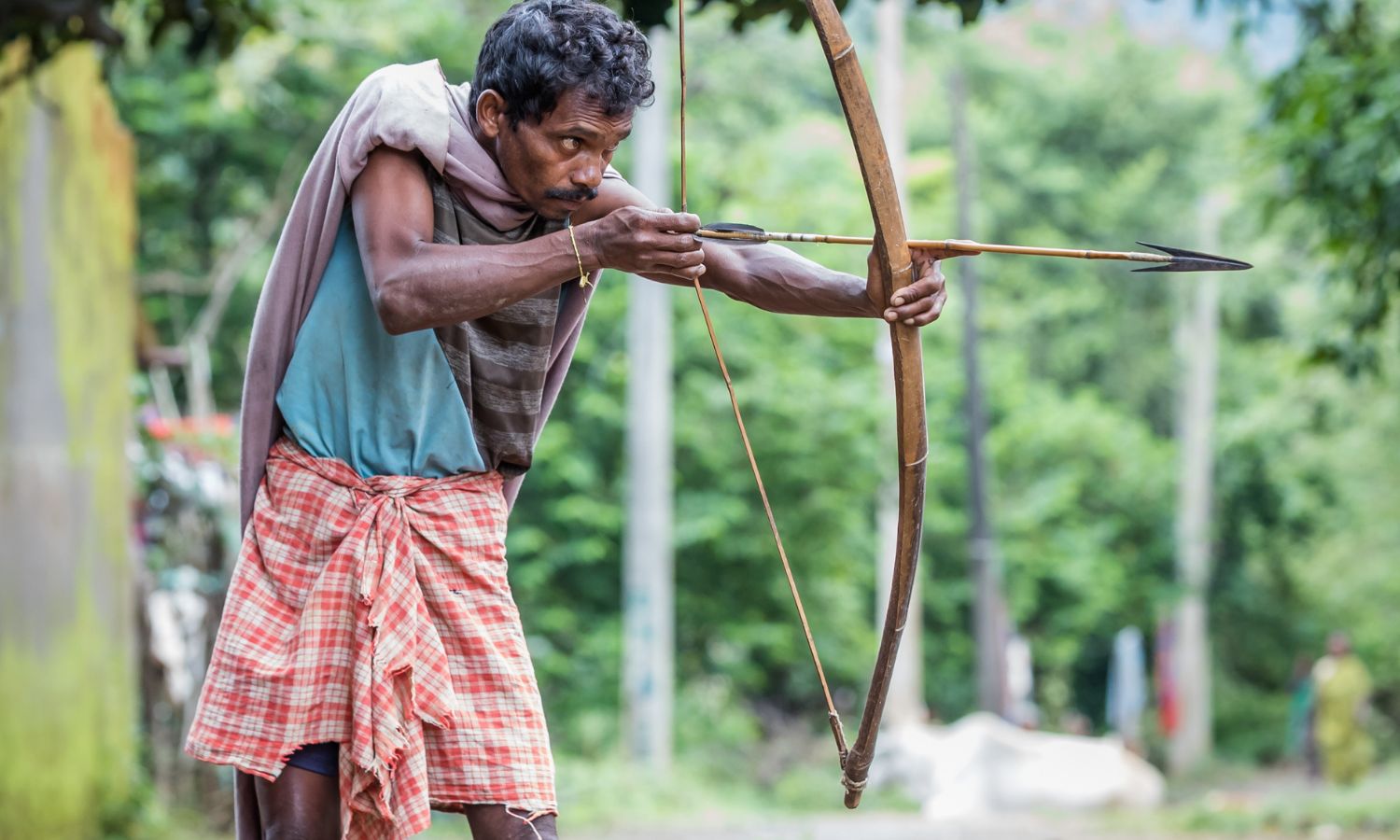
They speak Sora, an ancient Mundari dialect belonging to the Austric language family. They traditionally carry an axe and have historically depended on hunting and forest-based subsistence.
The Saora belief system centres around a range of deities and spirits collectively referred to as "Sonnum." Both benevolent and malevolent spirits are recognised. Ritual specialists known as Kudan and Kudanboi play a key role in healing and ritual practices.
Saora festivals are closely linked to agricultural cycles and life-cycle rituals, reflecting their deep connection with nature and community life.
Heritage in Motion
Indigenous Knowledge at KISS isn’t confined to the classroom — it’s woven into festivals, research, innovation and everyday life. Explore how tradition meets transformation through the pages below.





Local Roots. Global Relevance.
What began as a mission to preserve Indigenous culture has grown into a model of inclusive education, sustainability, and innovation — now studied by universities and institutions across the world.