- Empowering Adolescents Since 2009
Life Skills Education Program
A Step Towards Empowering Adolescents
At KISS, we believe that education should empower students not just academically, but also socially and emotionally. Our Life Skills Education (LSE) Program, launched in 2009, equips tribal adolescents with the abilities they need to navigate life’s challenges with confidence and resilience.
Why This Matters
Life skills—defined by WHO as abilities for adaptive and positive behaviour—are essential for adolescents as they grow and transition into adulthood. For tribal youth, these skills are particularly vital in overcoming social barriers, breaking myths, and making informed choices.
Through this program, students gain:
Leadership and communication skills

Decision-making abilities and coping strategies for emotions and stress

Age-appropriate knowledge about physical, psychological, and social changes during adolescence
Awareness of reproductive health and personal hygiene
Skills to handle harassment and resist peer pressure, including avoiding substance misuse
Gender sensitivity and the confidence to challenge discrimination
What We Do
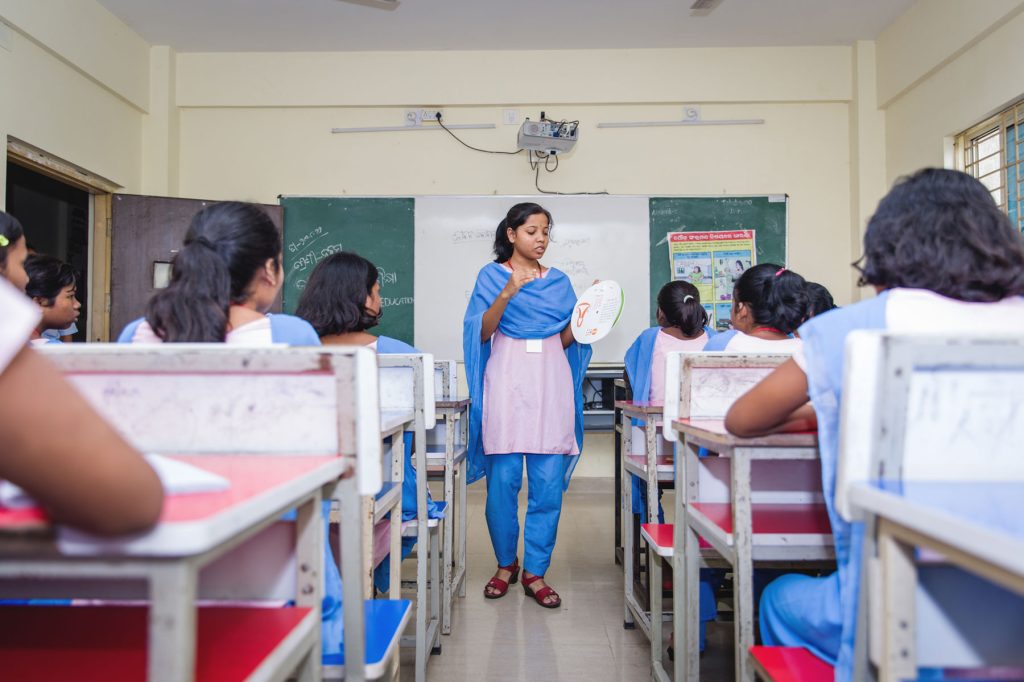
The Life Skills Education Program uses a multi-pronged approach that combines classroom sessions, peer learning, community outreach, and hands-on activities.
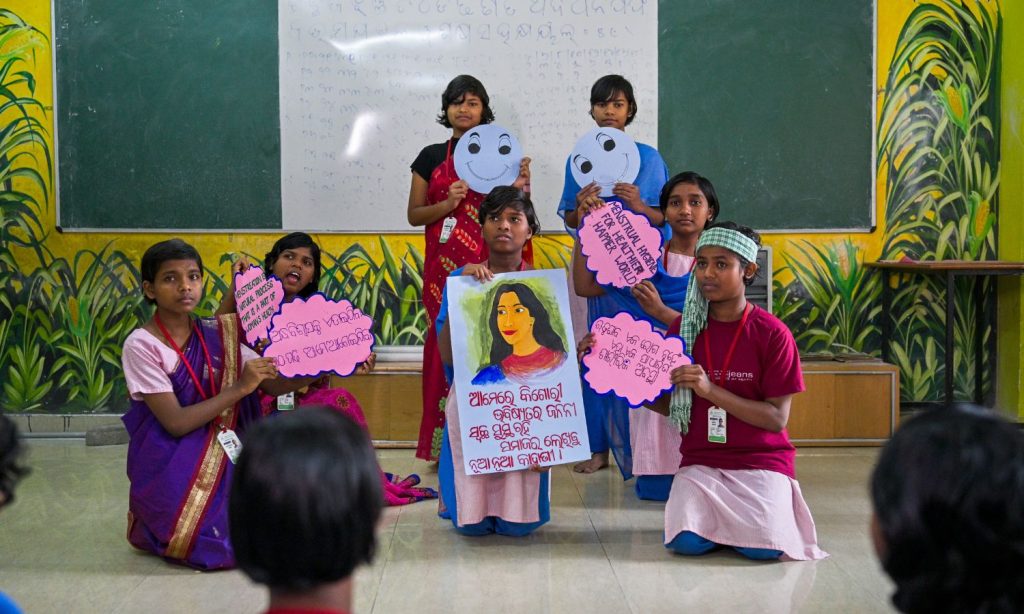
Life Skills-Based SRH (Sexual and Reproductive Health) sessions
- 30 structured sessions delivered to students of grades VI–IX and XI by trained teachers.
Community Awareness
- Peer educators conduct awareness programs in their villages during vacations, spreading health and hygiene practices.
Counseling Services
- 50 trained teacher counselors provide personalized guidance to adolescents.
Exposure Visits
- Students gain functional skills through visits to public utility places.
Co-Curricular Activities
- Sports, arts, and other activities are integrated to help students internalize life skills.
Peer Education
- College-level peer educators are trained to share accurate information and promote life skills among their peers.
Sanitary Napkin Units
- Three units established to promote menstrual hygiene and empower adolescent girls.
Research Initiatives
- 51 research papers on ARSH issues have been generated, including 15 by KISS postgraduate students, in collaboration with UNFPA.
Impact at a Glance
The program’s reach and results are transformative:
12,000
tribal adolescents covered annually through life skills sessions at KISS.
70,000
adolescents in residential schools across the state reached through interventions at KISS and district level.
500
headmasters and 7900 School Management Committee members sensitized on adolescent health.
75–100
peer educators conduct community awareness programs each summer.
1,500
government teachers trained in Life Skills and ARSH.
32
gender coordinators and faculty from 60 DIETs trained to integrate life skills into teacher education.
500
residential schools (318 SSD & 182 KGBVs) benefited from advocacy efforts with government departments.
Program Evolution
From inception to statewide impact – tracking our journey of transformation
A Holistic Approach to Adolescent Well-Being
The Life Skills Education Program is more than a set of lessons—it is a movement to empower tribal adolescents to make informed choices, stand up for themselves, and lead healthier, more confident lives.
By blending education with empowerment, KISS ensures that every adolescent is not just prepared for life, but ready to thrive